2028: The New Target for NASA's Moon Landing
NASA has confirmed a revised architecture that moves the final lunar landing to 2028 while simplifying the docking process for SpaceX.
By Elena Svoboda ·
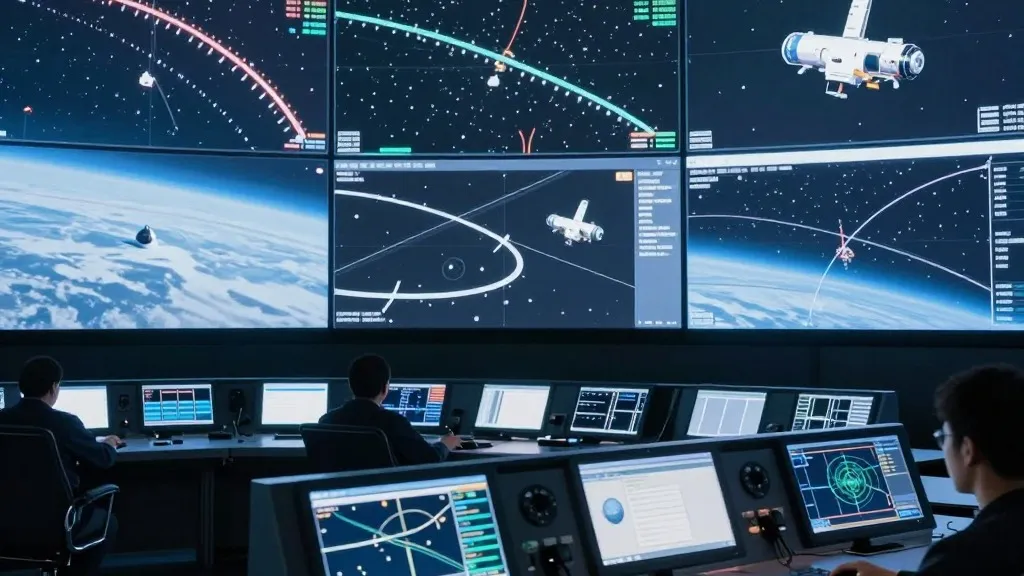
2028 is the new benchmark. NASA has officially locked in a timeline that targets the lunar surface for a crewed landing by that year. This date stands as the central pillar of the agency's updated Artemis Program. It represents a concrete shift from previous, more vague projections. The plan relies on a streamlined approach to get astronauts to the Moon.
The agency spent a long time on Friday detailing these changes. It was the first time NASA laid out the full scope of the new architecture. Officials admitted that significant structural shifts have occurred. These adjustments are designed to remove bottlenecks in the current program. The goal is to ensure that the hardware works together smoothly.
The changes specifically target how the spacecraft interact. For SpaceX, the plan no longer requires a complex orbital maneuver near the Moon. Instead, the Orion spacecraft will dock with the Starship lander in high Earth orbit. This happens before the combined vehicle travels to the lunar surface. This switch addresses a major engineering concern raised by SpaceX engineers in early 2026. They had argued that the previous requirement to dock in a near-rectilinear halo orbit was too energy-intensive. The cancellation of the Lunar Gateway earlier this year effectively solved that specific problem for the company.
Blue Origin faces a different set of adjustments. The revised plan calls for four launches of the New Glenn rocket. A key feature of this architecture is the absence of spacecraft-to-spacecraft refueling. This simplifies the mission profile considerably. The Blue Moon lander may also rendezvous with Orion in low lunar orbit. This option provides flexibility for the mission sequence. It allows for a more direct path to the surface.
The timeline remains aggressive but grounded. NASA officials stated that the Artemis III mission is still on track for summer 2027. This mission will serve as a demonstration. It will involve docking with both the Blue Moon and Starship vehicles near Earth. Following that test, the agency aims to launch Artemis IV in 2028. That mission will include the actual landing on the lunar surface.
NASA Administrator Jared Isaacman expressed confidence in the new path. He described the plan as an achievable trajectory. He noted that the agency has the mandate and resources required. He also cited strong support from key stakeholders. Isaacman emphasized the intention to execute the plan as designed. He highlighted the leadership's review of every element in the program. The aim was to make changes that help the lunar lander companies accelerate their efforts.
The shift in strategy reflects a broader effort to reduce complexity. By moving the docking phase to Earth orbit, NASA removes a high-risk step. This change aligns with the feedback received from industry partners. The agency has listened to the technical constraints of the hardware. The new architecture is a direct response to those constraints. It aims to make the mission more robust and less prone to failure.
Looking ahead, the next few years will be critical. The success of the 2027 demonstration mission will set the stage for the 2028 landing. Both SpaceX and Blue Origin must deliver on their revised commitments. The removal of the complex lunar orbit docking requirement is a significant win for SpaceX. It reduces the energy demands on the Starship vehicle. For Blue Origin, the four-launch strategy provides a clear and manageable path forward. The absence of in-space refueling simplifies the logistics for the New Glenn rocket.
The path is now clearer than it has been in recent years. The agency has made its intentions public. The technical details have been shared with the industry. The focus now shifts to execution. The 2028 target is ambitious, but it is supported by a more practical framework. The removal of previous architectural hurdles has paved the way for this new timeline. The next steps involve rigorous testing and integration. The goal is to ensure that all components work together seamlessly before the final push to the Moon.
Source: Ars Technica · original report published