Tesla Confirms Cybercab Customer Deliveries Will Begin Before Year-End
Tesla executives have set a firm target for private Cybercab sales to launch in late 2026, though the company plans to keep most units within its own robotaxi fleet.
By Camila Rodriguez ·
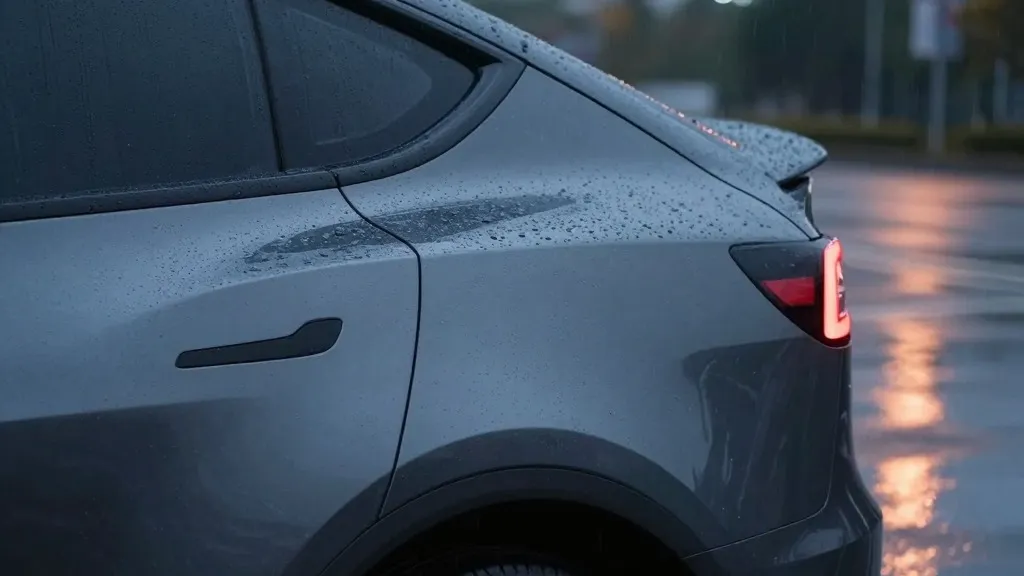
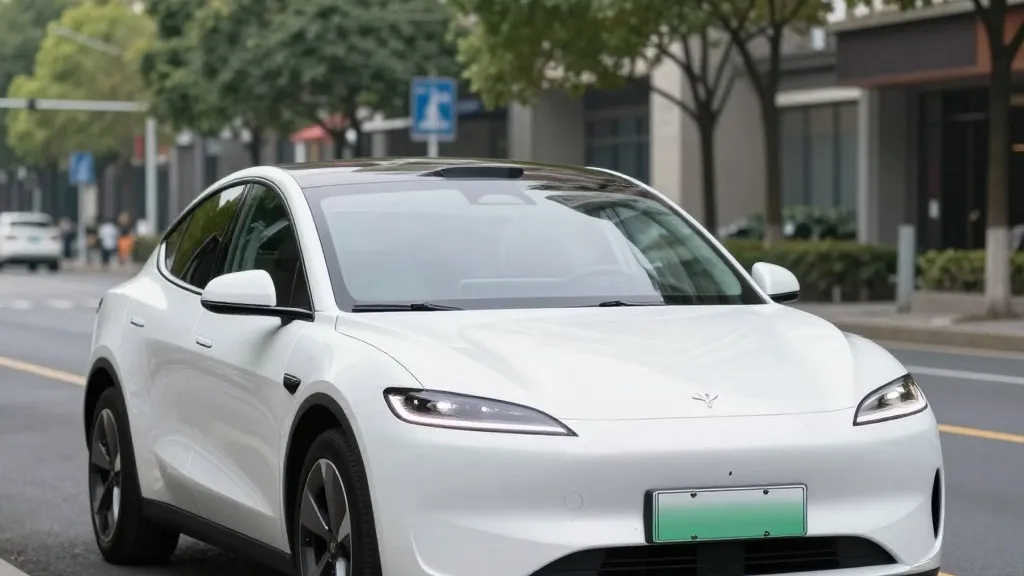
For those hoping to drive Tesla’s first fully autonomous, two-seater vehicle, the wait is now measured in months rather than years. Tesla has confirmed that the Cybercab, a purpose-built robotaxi lacking a steering wheel and pedals, will begin reaching private customers before the end of 2026. This announcement resolves a period of uncertainty regarding whether the vehicle would remain exclusively part of Tesla’s ride-hailing service or if it would ever be available for individual purchase.
The timeline was established during Tesla’s third-quarter 2026 earnings call, which took place on October 21. Lars Moravy, the company’s Vice President of Engineering, provided the specific target for when these new vehicles would leave the factory and enter the hands of buyers. He stated, “We’re trying to get Cybercabs to customers by the end of this year, 2026.” This date marks the first definitive schedule for the vehicle’s availability to the general public, moving beyond previous estimates that offered only rough projections.
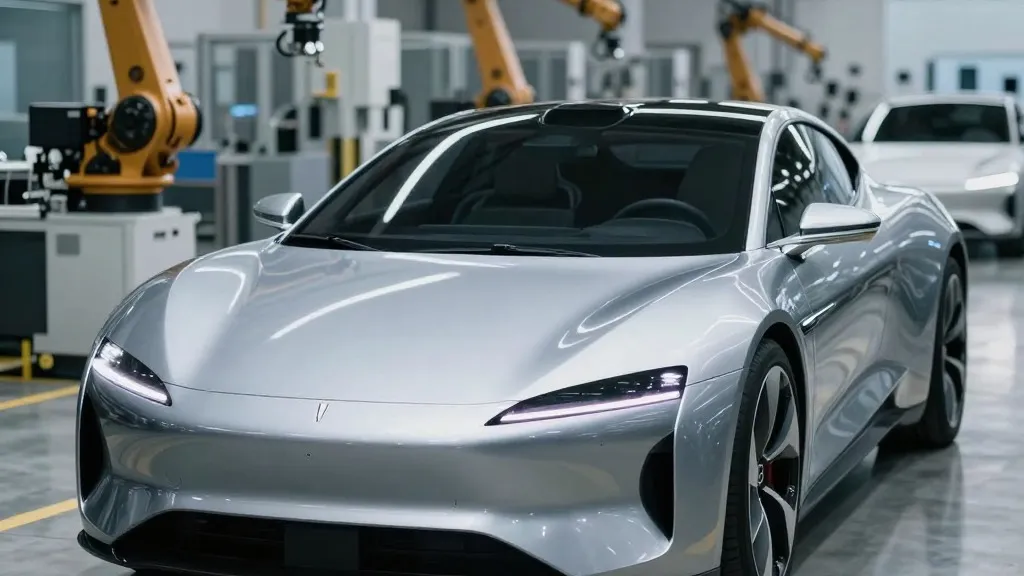
According to Moravy, production of the Cybercab is currently active at Gigafactory Texas. However, the initial volume of units is being directed entirely toward Tesla’s internal operations. He explained that “all of those are currently going to our own internal Robotaxi fleet.” This means that while the assembly line is running, the first batch of vehicles is being integrated into the company’s existing robotaxi network to gather data and refine operations before being sold to external parties.
Elon Musk, Tesla’s CEO, reinforced the strategic intent behind the vehicle’s distribution model. He emphasized that the Cybercab is primarily designed as a service rather than a traditional consumer car. “The vast majority of the Cybercab stuff will be Tesla-owned and transport-as-a-service,” Musk noted. This positioning distinguishes the Cybercab from other Tesla models, such as the Model 3, Model Y, or the upcoming Roadster, which are built with private ownership and personal driving as the primary use case.
The approach to private sales is expected to be cautious. Moravy indicated that initial customer deliveries will start on a small scale. This gradual rollout allows the company to navigate the complexities of delivery logistics, ownership structures, and fleet management. Furthermore, it gives Tesla the opportunity to gain experience operating autonomous vehicles outside of its direct, internal control, ensuring the technology is robust before scaling up sales significantly.
The Cybercab itself represents a shift in vehicle design, featuring a two-seat configuration and no manual controls. It relies entirely on Tesla’s Full Self-Driving software suite. Production of the vehicle began in February of this year, and the first units were integrated into the public-facing robotaxi service in early September. Tesla has previously indicated that the price point for the vehicle would be approximately $30,000, making it an accessible entry point for autonomous travel if private sales expand.
Looking slightly further ahead, Tesla’s Head of AI, Ashok Elluswamy, outlined the trajectory for the technology in consumer vehicles. He indicated that unsupervised Full Self-Driving is expected to ship to standard consumer cars during the second quarter of 2027. This timeline suggests that while the Cybercab is the first dedicated autonomous vehicle to hit the market, the technology will soon be applied to the broader lineup of Tesla’s existing models.
Despite the confirmed date for customer deliveries, several challenges remain. Early buyers or fleet operators may encounter vehicles where autonomous operation is geographically restricted. These limitations are often due to regulatory agencies that are still catching up to the pace of technological development. The company must balance the excitement of a new product launch with the practical realities of regulation and infrastructure readiness.
For ordinary people, the key takeaway is that the Cybercab is transitioning from a specialized fleet vehicle to a product with a defined market availability. While the majority of units will remain in Tesla’s service fleet, the door is now open for individual ownership by the end of the year. This shift signals that Tesla is moving from testing phase to commercialization for its most radical autonomous vehicle yet.
The stakes for Tesla involve proving that a wheelless, pedal-less vehicle can function effectively in a commercial environment while also being viable as a private purchase. Success in this area will likely influence the broader adoption of autonomous technology and set the stage for the unsupervised Full Self-Driving rollout scheduled for 2027 in the company’s main consumer line.
Source: Teslarati