The 40-Year Sentence: Ex-Chihuahua Prosecutor Faces Treason Trial
A federal judge is set to determine if a former state leader can be tried for treason after two American agents died during a joint anti-drug mission in the Mexican mountains.
By Kenji Garnier ·
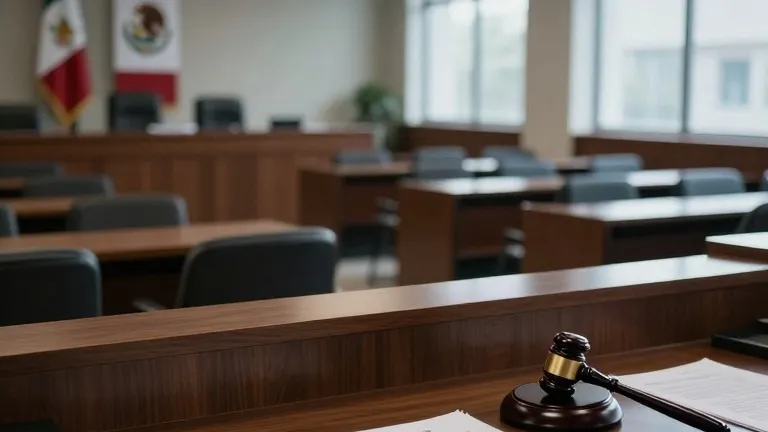
National sovereignty has long been a central theme in Mexican politics, but it has rarely been tested with such personal consequence as the case now facing a former state prosecutor. The legal battle centers on a single decision to allow foreign agents into the field, a move that has now escalated from a local dispute into a federal indictment.
The potential penalty hangs heavy over the proceedings. The treason charge carries a sentencing range of five to forty years in prison. While the maximum term is severe, legal analysts note that securing a conviction under this specific statute is historically difficult. The upcoming federal ruling will determine whether the case proceeds to trial, a decision expected within the next few days.
The individuals at the center of this storm include César Jáuregui, the former attorney general for the state of Chihuahua, and two American officials who were killed in April. The U.S. side has described the deceased as embassy personnel, while sources familiar with the incident identify them as Central Intelligence Agency officers. The CIA has not publicly commented on the matter. Additionally, two other U.S. agents who traveled separately were later expelled from the country.
The stakes extend beyond the courtroom and into the broader relationship between Mexico and its northern neighbor. President Claudia Sheinbaum has emphasized strict control over national territory, a stance that has complicated long-standing cooperation with U.S. agencies. The case highlights a growing tension regarding how foreign intelligence operates on Mexican soil, particularly as constitutional amendments now require explicit authorization for such field activities.
The incident began in April when officials moved to dismantle a large chemical drug laboratory in the municipality of Morelos. On the return journey from the site, a vehicle in the convoy veered off the road and fell into a ravine. The crash claimed four lives: two Mexican state officials and two Americans. The operation itself concluded without any arrests, as the suspects managed to escape the scene.
Jáuregui described the deceased Americans as instructor officers engaged in training under binational cooperation agreements. He also characterized the targeted lab as one of the largest chemical production sites found in the country. Following the crash, he resigned from his post to facilitate an inquiry into the events. He was subsequently arrested in mid-October on state charges related to the illegal exercise of public office, a case that has already been cleared for trial by a judge.
Federal prosecutors argue that Jáuregui endangered national security by approving the involvement of U.S. agents in an operation that was strictly the domain of the federal government. His defense team claims the prosecution is seeking an exemplary punishment to prevent a scenario similar to the recent removal of Venezuelan President Nicolás Maduro. This narrative adds a layer of international intrigue to what began as a domestic legal matter.
Legal experts remain skeptical about the likelihood of a treason conviction. Samuel González, a former chief prosecutor for organized crime, suggests that while Jáuregui may have failed in his duties by not informing federal authorities or allowing foreign agents to carry weapons, these actions do not typically constitute treason, which he views as a crime of war. Carlos Pérez Ricart of CIDE university notes that the case will have a significant public impact regardless of the outcome. He describes the move as a political calculation ahead of the 2027 midterm elections, warning that it sends a concerning signal to Washington.
The U.S. State Department has stated it is aware of the case and monitoring developments, though it has not directly linked the legal action to the deaths of the CIA officers. This careful distance underscores the delicate diplomatic balance both nations must maintain as they navigate the implications of this high-profile trial.
Source: CBS News
More Politics · World news · Report a business · Got a Story?