Amazon Pivots Loudoun County Campus to Mixed-Use Housing
The tech giant scraps four planned data centers in favor of residential development and a $5 million housing contribution after local opposition.
By Elena Svoboda ·
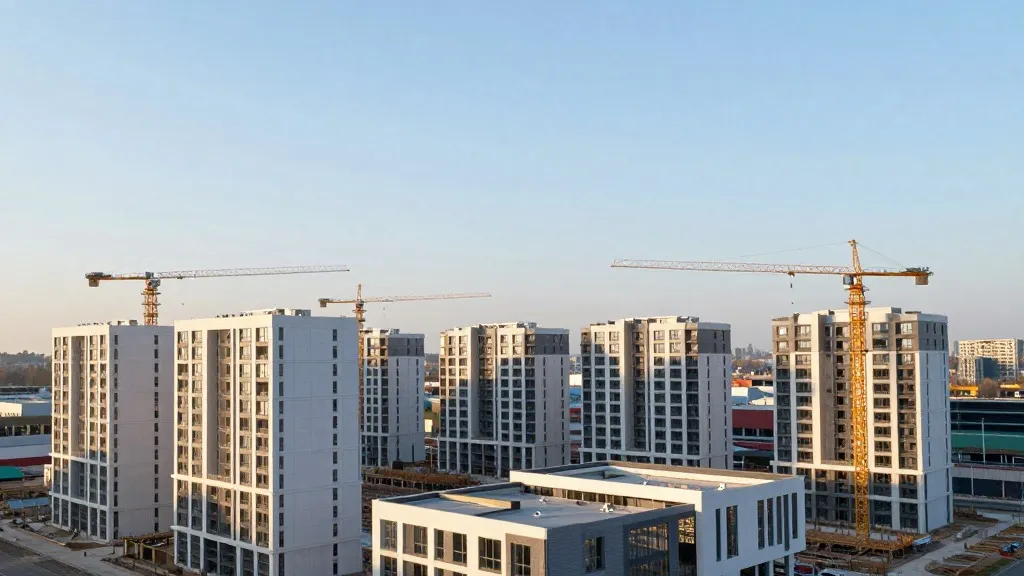
Amazon has officially withdrawn its proposal to construct four data centers on the former George Washington University campus in Loudoun County, Virginia. The company will instead convert the majority of the 122-acre site into mixed-use and residential projects. This strategic shift comes after sustained pushback from local residents who opposed the industrial development.
The new deal includes specific financial and land concessions to appease the community. Amazon will donate 25 acres of the property to the county for the construction of a community arts center and a recreational facility. Additionally, the company will contribute five million dollars to the local housing fund. These terms aim to address long-standing concerns about infrastructure strain and living costs in the region.
The timeline of the dispute began in July when Amazon filed its initial proposal for the four facilities. By September, the company met with Phyllis J. Randall, the chair of the Loudoun County Board of Supervisors. Randall suggested that Amazon might find a more viable use for the land, a recommendation the company has now accepted to avoid prolonged legal battles.
Josh Weissman, Amazon's vice president for data center development, explained that the company moved quickly to acquire the campus when the opportunity arose. However, he acknowledged the county's pointed concerns regarding data center development at this specific location. Weissman noted that while Amazon viewed the legal development potential differently, it decided that a shared vision was preferable to costly litigation.
Loudoun County, often called Data Center Alley, holds the world's largest concentration of such facilities. Despite this, residents have increasingly worried about the noise generated by servers and the massive electricity consumption required to keep them running. These local anxieties have driven a shift in the county's stance toward new construction in recent months.
The broader market context involves a surge in demand for data centers driven by artificial intelligence. This growth has led to opposition in communities wary of higher electricity prices, water shortages, and deforestation. Nationally, President Donald Trump recently urged data center builders to pay local communities a dividend and generate their own electricity, signaling a changing political landscape for the sector.
Randall described the final agreement as a result of cooperation between the parties. She stated that choosing dialogue over disagreement created a valuable opportunity for the county. The deal provides new spaces for residents to gather and play, while also delivering more attainable homes for working families.
Source: Tom's Hardware
More Business · Tech news · Consumer Alerts · Report a business · Got a Story?