Apple Music Reveals Interactive Virtual iPod on Error Page
A hidden tribute to the 25th anniversary of the original iPod allows users to play a limited library of songs and a classic game on a broken link page.
By Rahul Mehta ·
The digital landscape often feels ephemeral, yet nostalgia remains a powerful driver of consumer engagement. To mark a quarter century since the launch of a device that redefined personal music consumption, Apple has embedded a functional replica of the original iPod into its streaming service. This subtle gesture serves as both a technical demonstration and a sentimental nod to the hardware that started it all.
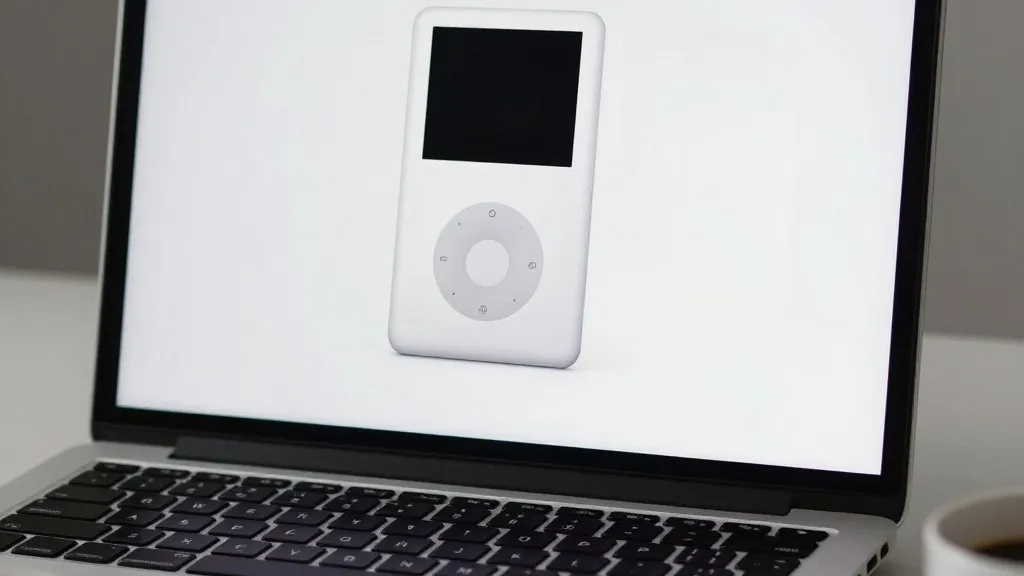
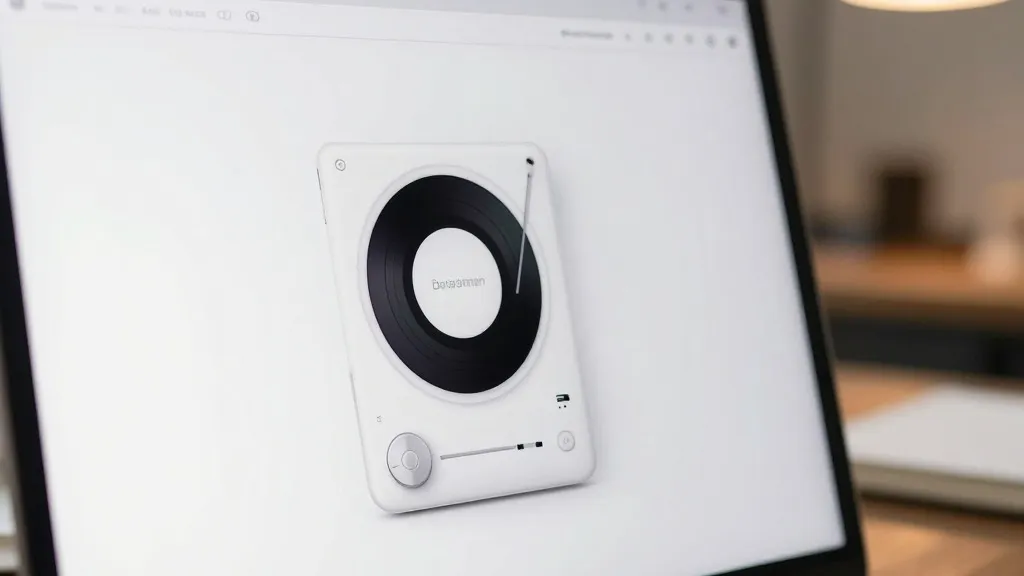
The surprise is accessible only to those who encounter a broken link on the Apple Music website. Below the standard error message, a prompt invites users to give the experience a spin. Following this cue reveals a fully interactive virtual player that mirrors the interface of the 2001 original. The device allows users to browse and play a specific set of tracks, effectively bringing a piece of tech history to life within a modern web browser.
The timeline of this device is central to understanding the weight of this anniversary. The original iPod was unveiled 25 years ago, a period that has seen the shift from physical media to streaming dominance. Apple famously marketed the initial model with the slogan that it held 1,000 songs in your pocket. This claim was revolutionary at the time, and the new web feature acts as a reminder of how transformative that storage capacity was for the average consumer.
The virtual experience is not without its quirks. The click wheel and other controls respond to user input, though the implementation appears somewhat unstable. Testing suggests that the experience is significantly smoother on mobile devices such as phones and tablets. The touch interface on these screens creates a sensation closer to the physical hardware. On desktop computers, however, the interaction can be difficult to manage, with some users struggling to get the interface to function correctly at all.
The music library included in the virtual player contains 1,029 playable songs. The selection carries a strong early-2000s aesthetic, featuring artists like Baha Men, blink-182, and Eminem. For users in the United Kingdom, the list also includes Daniel Bedingfield, The Fratellis, and Klaxons. It remains unclear if the United States version of the page features the same regional artists. To keep the experience brief, playback is capped at 90 seconds for any given track.
A deeper dive into the virtual device reveals another layer of nostalgia. Notebook Check identified the presence of a Breakout-style game called Brick. This title was a hidden bonus on the first physical iPod. In the virtual version, the game is accessed by holding the center button on the About screen for a few seconds, exactly replicating the original method. This detail suggests a high level of attention to the specific behaviors of the legacy hardware.
The feature does not appear to require an active Apple Music subscription to function. This open access makes the easter egg available to a wider audience, including those who do not currently pay for the service. The placement of such a detailed replica on an error page, a spot most users visit only when something goes wrong, highlights Apple’s willingness to inject personality into technical failures.
Looking ahead, the virtual iPod serves as a temporary marker for this specific milestone. While the physical device is long gone from the market, its cultural impact persists. By embedding this interactive tribute in a digital space, Apple ensures that the memory of the original product remains tangible for a new generation. The effort required to build a playable web-based replica indicates that the company values this chapter of its history, even if most users will never stumble upon the broken page that triggers it.
Source: Engadget