ASUS ProArt P16: $7,000 for a Local AI Powerhouse
The new ASUS laptop features NVIDIA's first major PC chip but remains a niche tool for creators due to its steep price tag.
By Isabella Morales ·
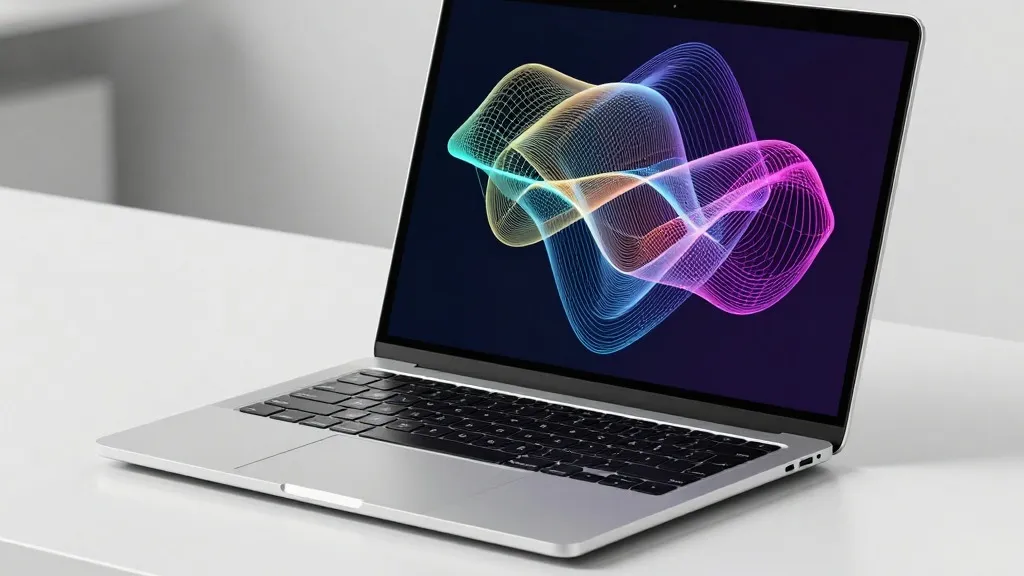
The top-tier configuration of the ASUS ProArt P16 costs $7,000. This premium price tag marks the launch of the first laptop powered by NVIDIA’s RTX Spark chip. According to a review published today, the device is an impressive machine, yet it targets a specific group of power-hungry creators rather than the general public.
The shift away from Intel and AMD processors represents a significant departure for the ProArt line. Microsoft and NVIDIA have marketed RTX Spark as a complete reinvention of the personal computer. The reviewer noted that while the hardware is attractive, it is primarily designed for running local AI models. The system can hold up to 128GB of RAM within a slim body, a feature that appeals to those working with large datasets.
Price is the primary obstacle for most buyers. The base model starts at $2,800, but costs rise sharply as memory increases. Although the laptop handles games well, the review suggests that dedicated gaming laptops offer better value. For comparison, an ASUS Zephyrus G16 with an RTX 5070 and a 240Hz OLED screen is available at Best Buy for $2,124. That alternative provides superior gaming performance and broader software compatibility.
The build quality earned high praise. The aluminum chassis is sturdy, and the 16-inch OLED display is exceptionally bright at 1,600 nits. At 3.9 pounds, the device is lighter than the 4.7-pound Apple MacBook Pro. It includes three USB-C ports, USB Type A, HDMI, a headphone jack, and an SD card reader, though it lacks an Ethernet port. Benchmarks show mixed results. The P16 trailed the ASUS A16 with a Snapdragon X2 Elite in PCMark 10 Applications by about 3,000 points. However, it outperformed a MacBook Pro with an M5 Max in GPU and AI tests, scoring 4,700 points higher in Geekbench 6 GPU.
In real-world testing, the laptop ran the Qwen3.8 27B model, which uses 42GB of RAM, with space to spare. It also handled Cyberpunk 2077 and Control: Resonant at high settings. The reviewer recorded 70 fps in Control: Resonant at 1440p with ultra settings and medium ray tracing. Lowering the settings increased the frame rate to 120 fps. NVIDIA claims the graphics hardware matches the RTX 5070 mobile GPU while consuming less power.
Compatibility remains a concern for gamers. Most titles rely on Microsoft’s Prism emulator for the Arm CPU, which can reduce performance and cause issues. Native Arm64 builds exist for games like Fortnite and DOTA 2, but NVIDIA is still working with anti-cheat companies. Adobe has supported the platform with its major software, but other multimedia applications are less certain. The black finish attracts fingerprints, and battery life in PCMark 10 Applications reached 10 hours and 51 minutes, which is lower than the 15-plus hours seen in other premium laptops.
The reviewer concluded that AI professionals are the ideal buyers for this hardware. For general users and gamers, waiting at least a year for further development and potential price drops is the recommended course of action.
Source: Engadget