Backyard Ponds Revitalize Local Aquatic Ecosystems in Austin
A writer from the Austin Chapter of the Native Plant Society of Texas describes how simple water features supported toad reproduction and bird activity within weeks of installation.
By Kenji Garnier ·
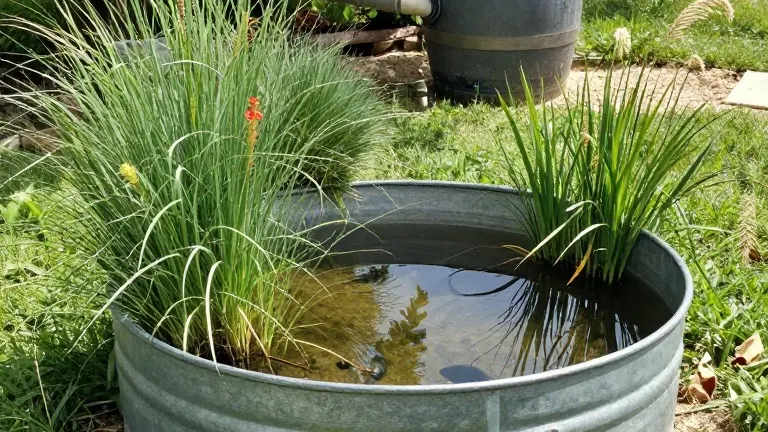
Claire Sorenson, a member of the Austin Chapter of the Native Plant Society of Texas, has documented the rapid ecological response to adding small water features in south Austin. In an article published in the Fall 2026 issue of Texas Native Plants, she argues that aquatic wildlife is the most vulnerable group as regional water sources deplete. Her experience demonstrates that installing a pond can reverse local habitat loss more quickly than many residents anticipate.
Sorenson describes a process that requires minimal infrastructure. She uses metal livestock troughs or plastic liners as containers and fills them with rainwater collected from gutter downspouts via 3-inch PVC pipes. She avoids tap water because chlorine is toxic to the animals that visit, though she notes that letting tap water sit for 24 hours also removes the chemical. The system relies on native plants such as Whitetop Sedge, Cardinal Flower, and Pickerelweed to oxygenate the water and keep it clean without the need for aerators or filters.
The ecological impact appeared shortly after the ponds were placed in her yard. House Finches, Cardinals, and Bluebirds began using the water for drinking and bathing. Gulf Coast Toads arrived next, laying strings of eggs that hatched into tadpoles within 24 to 48 hours. The tadpoles developed legs and left the pond in about 20 to 30 days. Sorenson also observed dragonfly larvae and adult dragonflies hovering near the water, alongside unidentified microorganisms swimming in the pond.
She advises homeowners on specific management choices to support amphibians. Using mosquito dunks is preferable to introducing mosquito fish, as the fish consume amphibian eggs and tadpoles. Dunks target mosquito larvae and are inexpensive, requiring only a monthly addition. Homeowners must also provide a ramp, such as stacked rocks, to allow toads and frogs to enter and exit the water safely. This setup allows for natural reproduction cycles without human intervention for feeding or water filtration.
The City of Round Rock offers a rebate to water customers who install rainwater collection systems. This financial incentive aligns with the practical advice provided by Sorenson, who uses a 55-gallon barrel connected to her home's gutters to maintain her pond. The system has functioned for years, providing a consistent water source for both the garden and the local wildlife population.
Sorenson’s account challenges the perception that water features are complicated or costly. Her method utilizes common hardware store items and native plant species available at local nurseries like Hill Country Water Gardens. The quick arrival of species like the Gulf Coast Toad suggests that the local environment is ready to support aquatic life when a habitat is introduced. The presence of these animals indicates that they were already part of the regional ecosystem but lacked the specific conditions to thrive and reproduce.
Source: City of Round Rock