Norfolk Venue Exits Without Fanfare
Arthur Rutter sold the Granby Street building after the art and music space closed in 2017.
By Omar Bennett ·
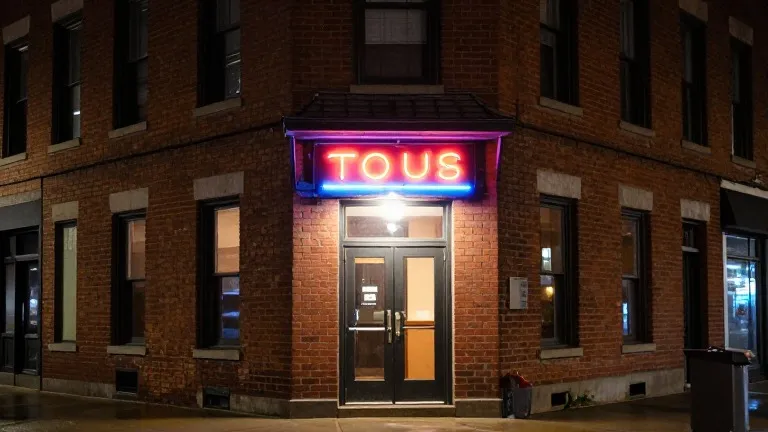
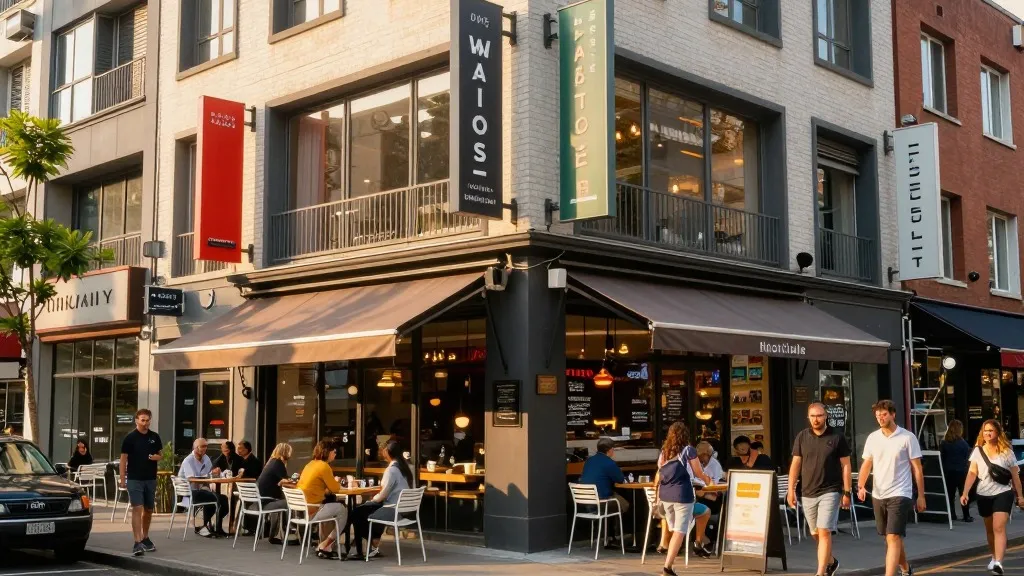
The corner of Granby Street and Olney Road in Norfolk was once the loudest spot in the city. For two years, the venue at 759 Granby Street drew crowds that wrapped around the block and kept moving past 1:30 a.m.
Work|Release operated in the old Texaco building from April 2015 until April 2017. Arthur and Meredith Rutter bought the property after previous owners abandoned a condo project during the 2008 housing crash. They inherited a structure with no walls, pipes, or wiring. The Rutter Family Art Foundation intended to use the space to show contemporary art to a broad public, a gap Arthur Rutter said local museums were unable or unwilling to fill.
The venue opened during the early development of the NEON District. In the summer of 2014, director Careyann Weinberg held a brainstorming session with 50 to 100 residents. They decided that art alone would not sustain the space. The name Work|Release, suggested by Charles Rasputin, stuck because of its multiple meanings. The first event was AGLOW, a neon sculpture show featuring 12 international artists.
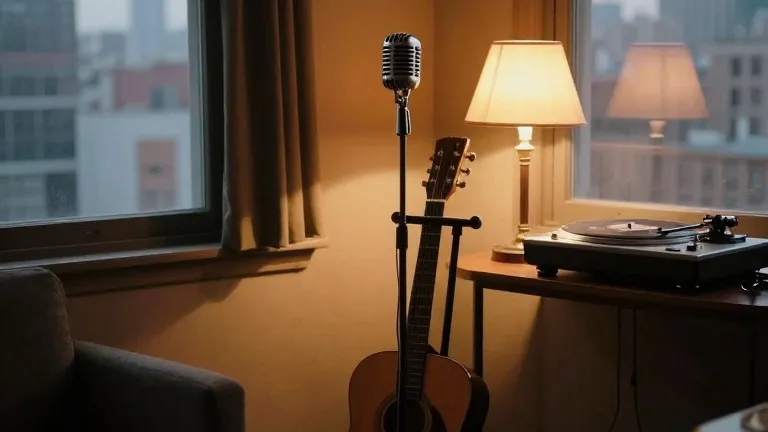
Programming mixed high art with live music. A typical week included symphony collaborations, figure drawing sessions, punk bands, and DJ sets. The 2,000-square-foot room hosted Grammy-nominated artist Masego, rapper D.R.A.M., and DJ Tiësto. The band of Montreal drew between 500 and 600 attendees. Bart Barnes, who performs as Fake Uzumi, said the receptive audience encouraged him to take musical risks. Security guards often competed for shifts at the venue.
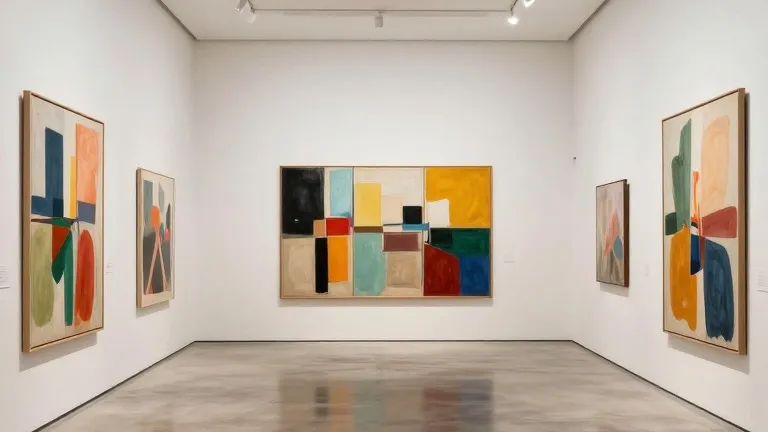
Art exhibitions were central to the experience rather than decorative. Guest curators like Charlotte Potter and Jesse Scaccia organized shows. Scaccia’s exhibition on gun violence brought together police officers and Black Lives Matter activists. A graffiti show featured shipping containers and a half pipe in the back lot. Staff were trained to guide guests rather than scold them when they got too close to the artwork.
Operating costs remained high. At its peak, the venue employed 17 people and operated nearly every night. It never turned a profit. Charlotte Potter recalled the Rutters saying they were willing to lose their sleeve but not their shirt. Rutter noted that the model depended on other NEON District businesses growing at the same rate. He compared the venue to a firework show that is inherently unsustainable.
The closure in April 2017 happened without a formal farewell. Weinberg described the end as a sudden announcement that it was wrapped up. Rutter said it was intended as a pause rather than a permanent end. Commune restaurant later moved into the space, and the upstairs apartments became housing for visiting artists. The building eventually became a rentable event space after the pandemic stalled the district's recovery.
The NEON District marked its 10th anniversary in 2025 with a 244-page book. Utility work on Granby Street has since reduced foot traffic. Niles described the district's creative energy as more spread out than before. The Work|Release signage remains on the building, left in place as a marker of its history.
Source: WHRO Public Media
More Culture · Norfolk news · Report a business · Got a Story?