SpaceX Shares Surge as Q3 Earnings Shatter Expectations and AI Growth Accelerates
A record-breaking third quarter and aggressive expansion plans for artificial intelligence infrastructure have driven a wave of price target hikes from Wall Street, with some analysts more than doubling their valuation of the company.
By Andrew Fletcher ·
SpaceX stock experienced a significant jump in premarket trading on Tuesday, October 21, following the release of third-quarter financial results that exceeded market forecasts. The company reported after the close on Monday, October 20, that its revenue reached $14.6 billion, a 161 percent increase compared to the same period in the previous year. This figure comfortably surpassed the consensus estimate of approximately $12.7 billion, prompting immediate reassessment of the company’s valuation by major financial institutions.
The most dramatic reaction came from JPMorgan, which more than doubled its price target to $500, up from $240, while maintaining an Overweight rating. This move signaled a sharp increase in confidence among institutional investors. Other firms followed suit with substantial upgrades, reflecting a broader shift in sentiment regarding the company’s long-term trajectory.
Cantor Fitzgerald raised its target to $345 from $246, while Barclays increased its outlook to $300 from $254. Citi lifted its recommendation to $240 from $200, and UBS moved its target to $230 from $210. TD Cowen adjusted its price to $224 from $200. Morgan Stanley maintained its Overweight stance with a $300 target. Additional upward revisions came from Wells Fargo, which raised its target to $274 from $214, and Clear Street, which moved its estimate to $248 from $217.
A primary driver of this optimism is the explosive growth of SpaceX’s Super Intelligence division, which focuses on artificial intelligence. This segment generated roughly $7.6 billion in revenue, becoming the largest contributor to the company’s total income. It grew nearly 830 percent year-over-year, demonstrating a rapid transition from a niche operation to a core pillar of the business model.
The Connectivity segment also delivered strong results, generating $5.2 billion in revenue. The company reported that its consumer base for Starlink has expanded to 13.6 million subscribers, driven by consistent subscriber additions. This growth underscores the increasing commercial viability of the direct-to-consumer satellite internet service.
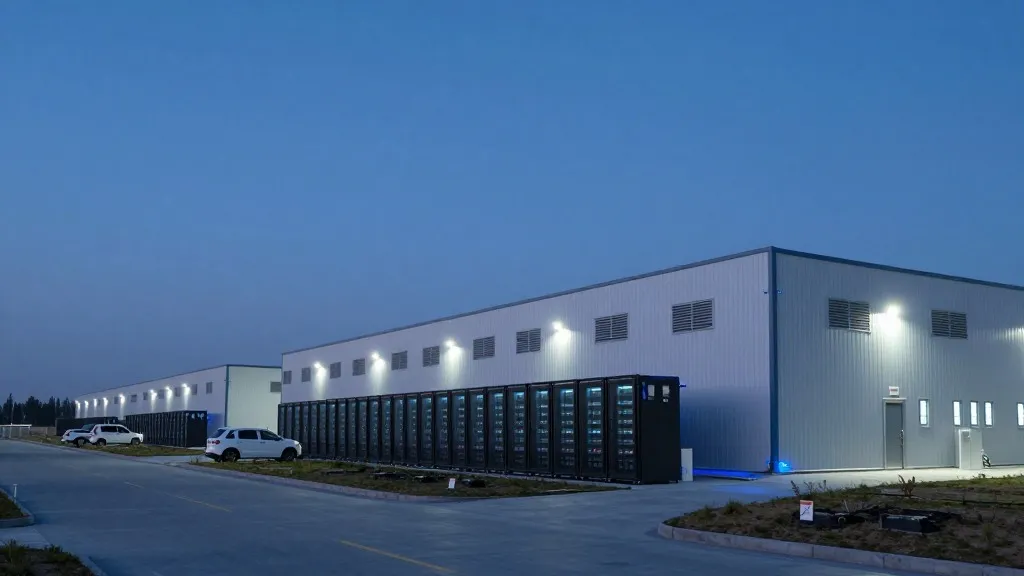
During the earnings call, CEO Elon Musk and CFO Bret Johnsen provided guidance for the first quarter of 2027, projecting revenue between $33 billion and $37 billion. This forecast significantly exceeded the roughly $22 billion that analysts had previously modeled. Management also outlined fourth-quarter capital expenditure plans ranging from $35 billion to $40 billion, with a specific focus on expanding AI compute infrastructure at sites in Memphis and Southaven.
The company is targeting 2.5 to 3 gigawatts of nameplate compute capacity by the end of the year, with pathways discussed to reach 13 gigawatts or more by the end of 2027. Musk noted that demand from hyperscalers and other customers remains relentless, with current compute pricing allowing for payback periods of less than a year, and potentially as short as six months. This efficiency in capital deployment is a key factor in the improved earnings outlook.
Other highlights from the quarter included the recent orbital success of Starship and the deployment of V3 satellites. The company also noted momentum in Starlink pricing and enterprise contracts, rapid adoption of the Grok Bot, and plans for spectrum expansion. Additionally, special committees were formed to explore a possible combination with Tesla, adding another layer of strategic complexity to the corporate structure.
Despite the bullish sentiment, elevated spending remains a point of focus for investors. The average analyst price target has moved higher, reflecting greater conviction in the company’s trajectory across launch, connectivity, and artificial intelligence. However, the scale of the capital expenditure required to maintain this growth pace will require continued strong cash flow generation to sustain the current valuation levels.
Source: Teslarati