Houthi Advance Starves Taiz of Water and Fuels Price Surge
Residents in Yemen's third-largest city now stretch ten liters of water over four days as the siege blocks supply routes and drives costs up by 75 percent.
By Omar Bennett ·

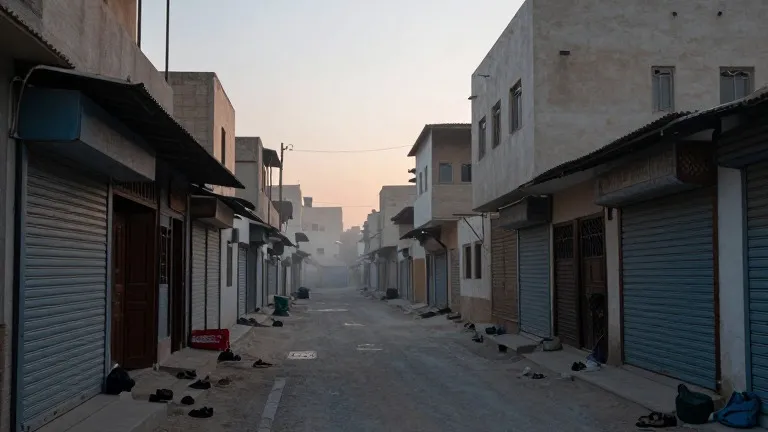
The humanitarian situation in Taiz has deteriorated rapidly as Iran-backed Houthi forces tighten their siege around Yemen's third-largest city. Aid organizations report that the needs of the city's more than 1 million residents are barely being met. Access to local wells is restricted, desalination plants lack fuel, and water trucks are frequently blocked from entering the urban center.
The strain is visible in household consumption and costs. Bottled water prices have risen by as much as 75 percent in recent weeks. Some families are purchasing supplies on credit. Hadil al-Shahid, a resident with two young children, noted that her family previously used about 10 liters of bottled water daily for drinking and cooking. That same amount now lasts approximately four days. She stated, "We stopped drinking coffee and tea, which we used to drink daily." The increase in cost has forced many households to cut back on other essentials.
The siege has also disrupted other critical services and supplies. Grocery shortages have pushed food prices higher, while fuel scarcity hampers hospitals and sanitation services. Cooking gas prices have more than quadrupled according to Hani Bafaqih of the aid group CARE. Some families have resorted to burning wood, charcoal, or cardboard for heat. Flour and rice now cost about 50 percent more than they did in the summer.
Taiz province has absorbed an estimated 124,000 displaced people since August, roughly half of those moving within Yemen, according to United Nations migration experts. Jens Laerke, a spokesperson for a UN emergency aid division, said some displaced families survive on one meal a day in makeshift shelters. The convergence of shortages creates public health risks, with Laerke warning that disease, including cholera, becomes more likely as families rely on unprotected wells.
Local businesses have felt the economic pressure. Al-Shahid closed her hair salon as customers prioritized food and water. Her children now eat mostly rice, bread, and cheese. Ahmed Abdel Gaber, who shelters with nine relatives in a ruined building, said his income from hauling construction material has become unstable. "We heavily rely on assistance and donations from people to get food," he said.
The military situation remains tense. The Houthis captured the port city of Mokha last month, a move that helped them control Red Sea shipping lanes. They now control about 80 percent of the surrounding countryside and several neighborhoods inside Taiz, according to three Houthi officials who spoke anonymously. Foreign Minister Afrah al-Zouba acknowledged the rebels' tightening grip. Earlier this week, Houthi missiles struck a residential area in Taiz, killing two teenage girls.
Analysts view Taiz as a strategic point for the Houthis. Controlling the city would be key to pushing south toward Aden and Lahj. Ahmed Nagi of the International Crisis Group said any attempt to seize parts of the city would likely result in a prolonged and costly battle. The government still holds the center of Taiz but faces stiff resistance in the surrounding hills.
Source: NPR