Qatar Targets 2031 for Independent Defence Capability
The Gulf state aims to build a self-sufficient military shield to protect critical infrastructure and reduce reliance on US security guarantees within five years.
By Omar Bennett ·
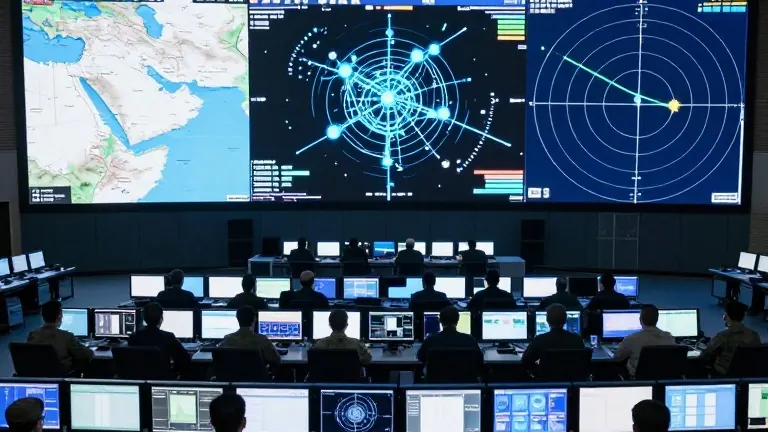
Qatar has set a five-year target to achieve what it describes as defence autonomy, aiming to protect its national interests without depending on external military support. The strategic shift responds to recent security challenges in the Gulf region, which have raised questions about the reliability of existing security guarantees. The goal is to ensure the state can defend itself if the United States provides only limited assistance or if Gulf Cooperation Council partners are unable to act.
Doha’s planners acknowledge that while the country possesses advanced equipment and substantial financial resources, it lacks the strategic autonomy to survive a major crisis independently. Current protection remains heavily dependent on the United States, which maintains a major military base in the country. Officials argue that relying solely on collective GCC capabilities is insufficient because member states may not always be willing to take risks to defend another member.
The proposed strategy focuses on six key pillars: air and missile defence, early warning systems, protection of critical infrastructure, air and naval power, cybersecurity, and diversified security guarantees. The objective is not to build an army capable of defeating a major regional power, but to create a system that can detect threats, absorb initial strikes, and maintain essential services during a prolonged conflict. This includes keeping energy exports, water supplies, and communications functioning without external intervention.
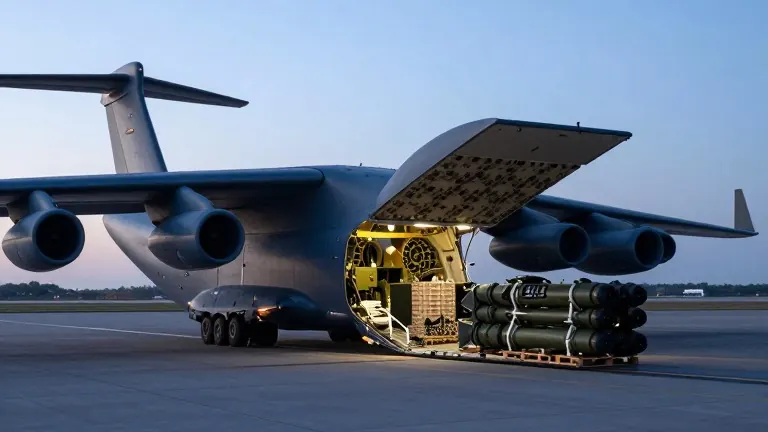
A primary focus is building an integrated national air defence shield by 2031. This involves combining civilian and military radar networks, expanding counter-drone capabilities, and establishing a unified command centre. The system is designed to function effectively even if US forces are absent. Additionally, Qatar plans to strengthen its air force to sustain operations for several weeks if supply lines are disrupted, emphasizing domestic maintenance capacity and dispersed ammunition stockpiles.
Maritime security is treated as a second line of defence, given that Qatar’s economy relies on the uninterrupted flow of liquefied natural gas and oil through its surrounding waters. The navy will focus on making attacks on maritime infrastructure costly and difficult, rather than building a large fleet. A national resilience programme will also protect critical facilities such as desalination plants, power stations, and data centres, ensuring backup capacity exists for every essential sector.
To maintain situational awareness, Qatar intends to develop independent intelligence capabilities in space-based reconnaissance, electronic intelligence, and artificial intelligence analysis. The country aims to produce its own national intelligence picture rather than waiting for data from the US, France, or the United Kingdom. This independent assessment will allow Doha to determine its defensive posture before requesting allied assistance.
The final pillar involves diversifying security partnerships to reduce the risks associated with dependence on a single ally. While cooperation with the US will continue, Qatar seeks to deepen ties with partners such as South Korea, Turkiye, and select European and regional powers. This approach aims to make Gulf security a matter of global interest, ensuring that multiple actors have a stake in the region’s stability.
Source: Al Jazeera