Texas Midterm: Party Chairs Clash on Turnout Strategy as Polls Show Tightening Races
While candidates avoid debate, RNC Chair Joe Gruters and Texas Democrat Chair Kendall Scudder offer conflicting assessments of voter engagement and polling data.
By Kenji Garnier ·
Polling data indicates that several key races in Texas are now competitive, a development that has prompted top party leaders to define their strategies for the final days of the 2026 midterm election. On Tuesday, RNC Chair Joe Gruters and Texas Democrat Chair Kendall Scudder offered distinct perspectives on the state's political trajectory during a broadcast on Battleground Texas.
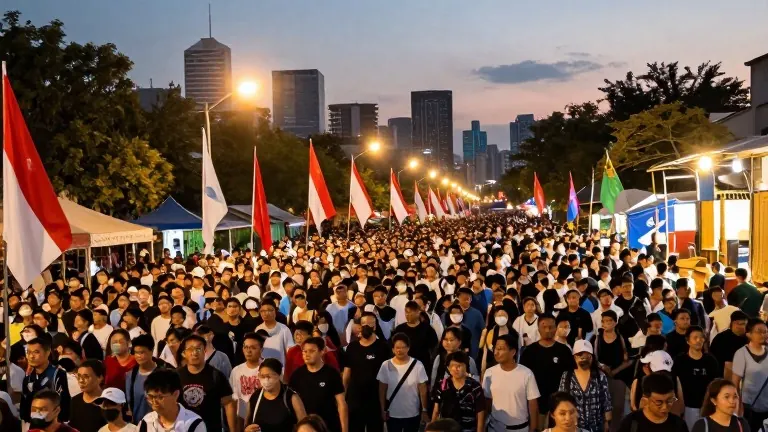
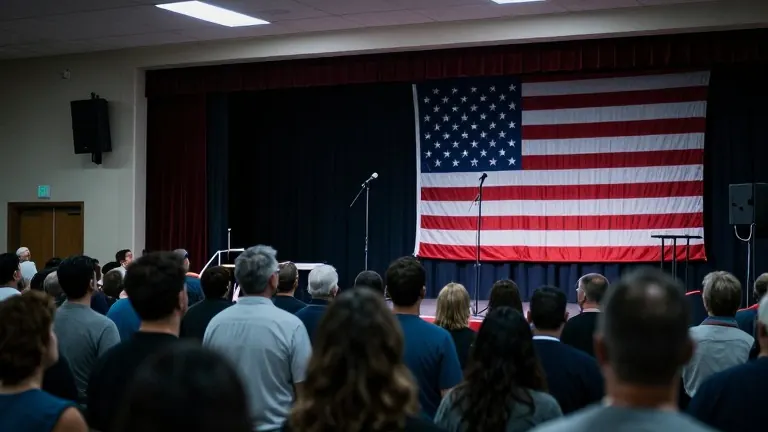
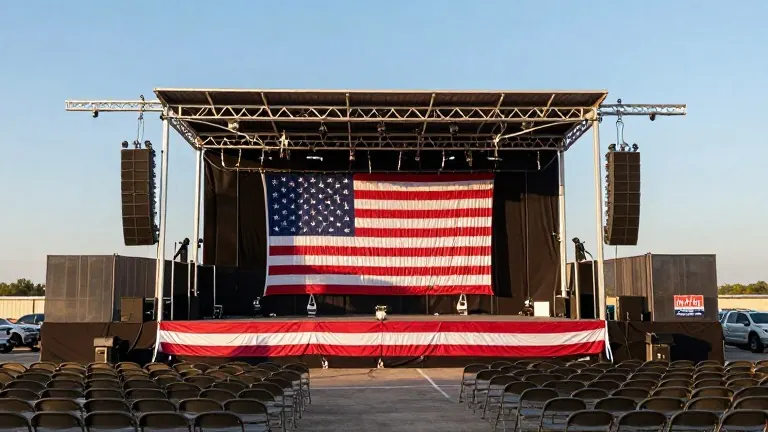
The current campaign cycle has diverged from typical midterm patterns, with both parties focusing heavily on ground operations rather than candidate debates. During the final phase of early voting, Democrats and Republicans held multiple rallies across the state on Tuesday. This activity coincides with the return of President Donald Trump and Vice President JD Vance to Texas, a move both party leaders acknowledge as a major factor in voter mobilization.
Gruters emphasized the historical impact of the presidential presence on voter participation. He stated that the president has successfully turned out low-propensity voters in three previous cycles and expressed confidence that a fourth occurrence is possible. "The president is a turnout machine. That's what he's done," Gruters said. He rejected the notion that recent polling suggests a Democratic takeover, arguing that the Republican Party has a clear path to victory if it can sustain high voter turnout.
Scudder took a more cautious approach regarding the interpretation of current surveys. He noted that while polls show Democrats leading or tied in several races, these numbers do not guarantee an outcome. "The only poll that matters is election day and polls don't vote," Scudder said. He also addressed the financial resources deployed by the GOP in Texas, which he described as several hundred million dollars. He questioned the logic of such an expenditure in a state he had previously considered reliably red, asking why national leadership is spending so much time there if the state was never going to turn blue.
Scudder framed the potential for a "Blue Wave" in conservative terms, suggesting that a margin of victory smaller than the 14-point gap seen in the previous election would represent progress. "We didn't lose Texas overnight. We're not going to win it overnight," he said. He indicated a long-term strategy involving grassroots recruitment, comparing the effort to placing signs in the bed of a pickup truck for future campaigns.
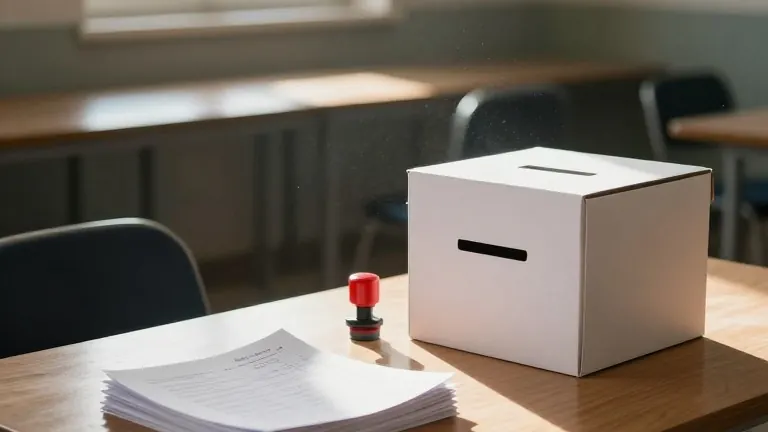
The next steps in the election process include the conclusion of early voting and the start of Election Day. Both parties are currently focused on maximizing turnout among their respective bases to influence the final tally. The outcome will determine the balance of power in Texas state offices and potentially affect the national political environment for the next two years.
Source: KTBC