2026 Election Spending Hits Record High With Divergent Party Strategies
Republican committees outspent Democrats significantly, while Democratic candidates maintained a fundraising advantage at the individual level.
By Omar Bennett ·

Election Day, Tuesday, November 3, 2026, marks a historic financial moment for American politics as the 2026 midterms are projected to become the most expensive election in history. The sheer scale of spending reflects the high stakes of deciding who controls Congress for the final two years of President Donald Trump's second term. With all 435 House seats and 35 Senate seats up for grabs, the flow of money has been intense and strategic. The Associated Press notes that the campaigns are operating under a unique financial dynamic that contrasts sharply with previous cycles.
At the committee level, a clear advantage exists for the Republican side. According to the Associated Press, Republican committees have both outraised and outspent their Democratic counterparts. This edge is heavily influenced by contributions from Trump-affiliated groups and significant financial support from Elon Musk. These external funds have allowed Republican national committees to dominate the airwaves and digital advertising spaces. The influx of capital has enabled a sustained presence in media markets across the country, particularly in states where the outcome of the House races is uncertain.
However, the financial picture changes when looking at the candidate level. While the parties' central committees favored the Republicans, individual Democratic candidates managed to outraise their Republican opponents. This discrepancy highlights a bifurcated approach to fundraising. Democrats have focused on building strong financial reserves for specific races, whereas Republicans have leveraged the strength of their national infrastructure. This strategy allows Republican committees to buy ads in areas where they have a structural advantage, while Democratic candidates focus on defending their districts with targeted local spending.
The allocation of this money reveals distinct strategic priorities for each party. An analysis of AdImpact data by the Associated Press shows that 88.1 percent of Republican general election TV ad spending was directed to states and districts that Donald Trump won in 2024. This concentration of resources reflects a defensive posture aimed at securing seats in areas that already lean Republican. The goal is to reinforce the party's base and prevent losses in districts that are considered safe or slightly favorable to the president's party.
Within this broader strategy, a significant portion of the budget was deployed in high-margin victories. The Associated Press reports that more than $850 million in Republican TV ad spending went to areas where Trump won by 10 points or more. This massive investment in strongholds suggests that Republican committees are prioritizing the protection of their current majority in the House. By spending heavily in these districts, they aim to create a buffer against potential swings in voter sentiment or unexpected turnout patterns. This approach contrasts with the more geographically dispersed spending often seen in past elections.
Democratic strategy appears to be more focused on competitive races and the defense of specific seats. With Democrats needing a net gain of three districts to take the House majority, their candidate-level fundraising edge allows them to respond quickly to shifts in the political landscape. The party is relying on the financial strength of individual candidates to compete in the 46 battleground districts identified by Ballotpedia. This includes 25 districts held by Democrats and 21 held by Republicans. The ability of Democratic candidates to raise funds at a higher rate than their opponents provides a crucial tool for competing in these closely watched areas.
The financial disparity between committee and candidate levels also influences the tone of the campaigns. Republican leadership, including RNC Chairman Joe Gruters, has emphasized the importance of turnout, stating that everything depends on getting voters to the polls. This message aligns with the heavy ad spending in Trump-favored states, where the party believes its base is mobilizable. In contrast, DCCC Chair Rep. Suzan DelBene has focused on voter anger and the desire for change, a theme that resonates with the Democratic effort to flip key districts. The different financial structures allow each party to execute these distinct narratives effectively.
The role of Elon Musk in the Republican fundraising effort cannot be overlooked. His contributions have been a significant factor in the committee-level advantage, providing a substantial boost to the party's war chest. This support has allowed Republican committees to outspend Democrats in a way that has not been seen in previous midterms. The presence of such a high-profile donor has also added a layer of media attention to the campaign, further amplifying the message of the Republican side. For Democrats, the challenge is to match this level of spending at the candidate level without the same degree of centralized financial support.
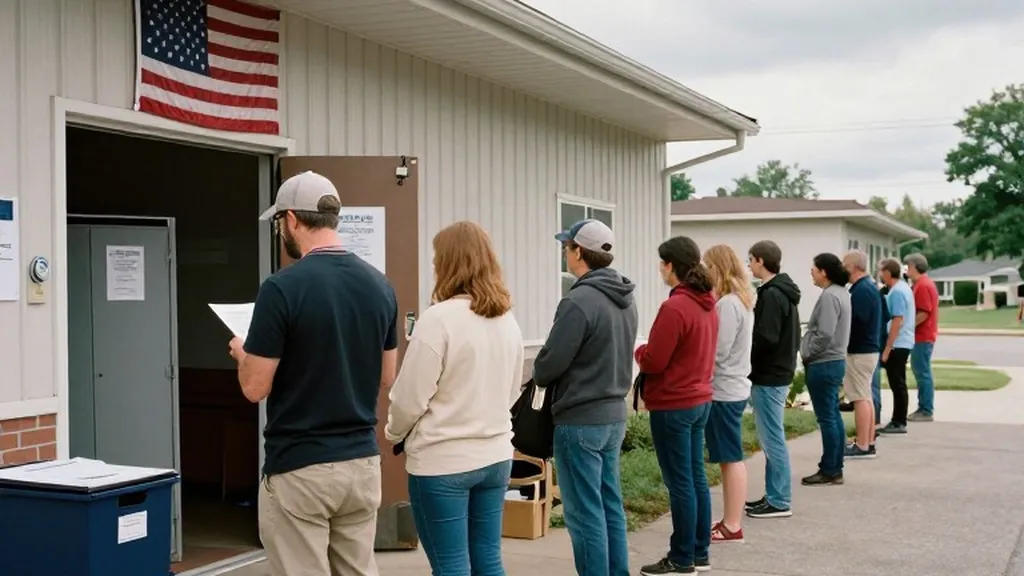
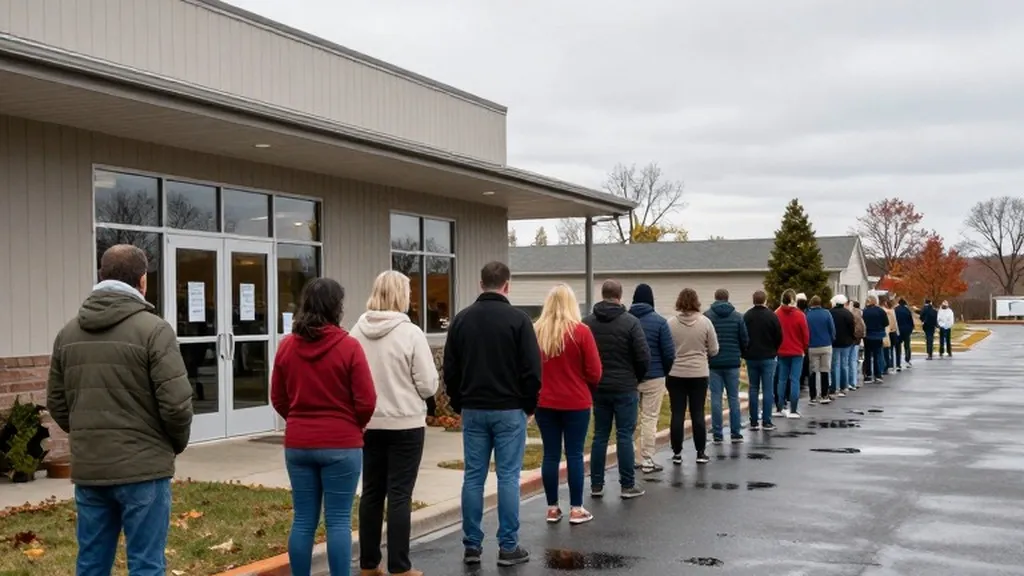
As voters head to the polls, the impact of this record-breaking spending is evident in the volume of advertisements and the intensity of the outreach efforts. The Associated Press notes that more than 57 million people had already voted as of Monday, surpassing the early vote of four years ago in many closely watched states. This early turnout is a testament to the effectiveness of the campaigns' financial strategies. The heavy investment in advertising and voter contact has helped to mobilize supporters and keep the election at the forefront of public consciousness.
The financial dynamics of the 2026 election also reflect the broader political environment. With voters struggling with high prices and an unpopular war with Iran, the campaigns have focused on economic issues and the direction of the country. The Associated Press reports that about 7 in 10 Americans say the country is heading in the wrong direction. This sentiment is being capitalized upon by both parties, with Republicans spending heavily to defend their record and Democrats spending to highlight the need for change. The money is not just buying ads; it is shaping the narrative of the election.