Governors: 18 to 18 split, 19 open seats define race
With no incumbent in 19 contests and a precise 18 to 18 partisan balance, state leadership elections hinge on battleground dynamics in Iowa, Michigan, and Ohio.
By Elena Svoboda ·
Voters across the United States are casting ballots on Tuesday for 36 governorships, a set of races that features a rare and precise partisan balance. According to Ballotpedia, Republicans hold 18 of the offices on the ballot, and Democrats hold the other 18. This even starting line means that a net gain of just two governorships for the Democrats would shift the nationwide majority to their party for the first time since 2010. The Associated Press notes that this balance makes the outcome of state leadership contests a critical indicator of the broader political mood in this midterm election.
The structure of these 36 races is heavily influenced by the number of open seats. Nineteen of the governorships have no incumbent on the ballot. Ballotpedia reports that 15 of these governors are term limited. In three other cases, the sitting governor chose not to run again: Kim Reynolds of Iowa, Tim Walz of Minnesota, and Tony Evers of Wisconsin. A fourth open seat exists in Rhode Island, where incumbent Daniel McKee lost his primary contest. The Associated Press highlights that the absence of incumbents in nearly half of the races creates a fluid environment where national trends and local personalities can compete on more equal footing.
Nine governor races are designated as battlegrounds by Ballotpedia, spanning both parties. Democrats are defending five governorships in states that voted for President Donald Trump in 2024. These include Arizona, where Katie Hobbs is running; Kansas; Michigan; Pennsylvania, where Josh Shapiro is the incumbent; and Wisconsin. Conversely, Republicans are defending two governorships in states that voted for former Vice President Kamala Harris in 2024. These are New Hampshire, where Kelly Ayotte is the incumbent, and Vermont, where Phil Scott is seeking re-election. The Associated Press identifies these cross-party defensive contests as central to the narrative of the night.
Specific matchups in these battlegrounds have drawn national attention. In Georgia, Republican health care executive Rick Jackson is challenging Democratic former Atlanta Mayor Keisha Lance Bottoms for the seat vacated by Brian Kemp. The Associated Press describes this race as a key test for both parties in a state that has become increasingly competitive. In Nevada, Republican Governor Joe Lombardo is facing Democratic Attorney General Aaron Ford. The AP notes that this contest is being watched closely as a bellwether for the party's performance in the Southwest.
Ohio presents another significant contest, with Republican Vivek Ramaswamy running against Democrat Amy Acton. The Associated Press reports that Ramaswamy's campaign faced significant backlash over an advertisement that featured Acton's estranged mother, a move that complicated the race's dynamics. Meanwhile, in Iowa, the Associated Press calls the governor's race competitive despite the state's historical lean toward the Republican Party. The open nature of the Iowa seat, following Kim Reynolds' decision not to run, has allowed new faces to emerge in a state that is also a Senate battleground.
The AP identifies Texas, Florida, and Iowa as additional competitive governor races, though they are not always included in the primary nine battleground lists. The presence of these high-profile states ensures that television advertising and campaign spending will be intense. The AP notes that money flows heavily into these contests, with Republican committees outspending Democratic counterparts at the committee level, though Democrats have outraised their opponents at the candidate level. This financial dynamic is expected to shape the final messaging voters receive before polls close.
For Democrats, the goal is to achieve a nationwide majority of governorships, a status they have not held in two decades. The Associated Press states that party leaders are cautiously optimistic about their chances in the open seats and the states where they are defending incumbents. For Republicans, the priority is to maintain their current holdings and potentially expand their footprint in states that voted for President Trump in 2024. The AP notes that many Republican candidates have kept a certain distance from the President's recent rallies, a strategy aimed at insulating their local campaigns from national controversies.
The mood among voters, as described by the Associated Press, is one of frustration with high prices and an unpopular war with Iran. This sentiment is expected to influence the governor races as much as the congressional contests. Voters are evaluating local leaders against the backdrop of a national referendum on the President's second term. The AP notes that while the governor races are distinct, the same economic and foreign policy issues that drive the Senate and House races are permeating the state-level debates.
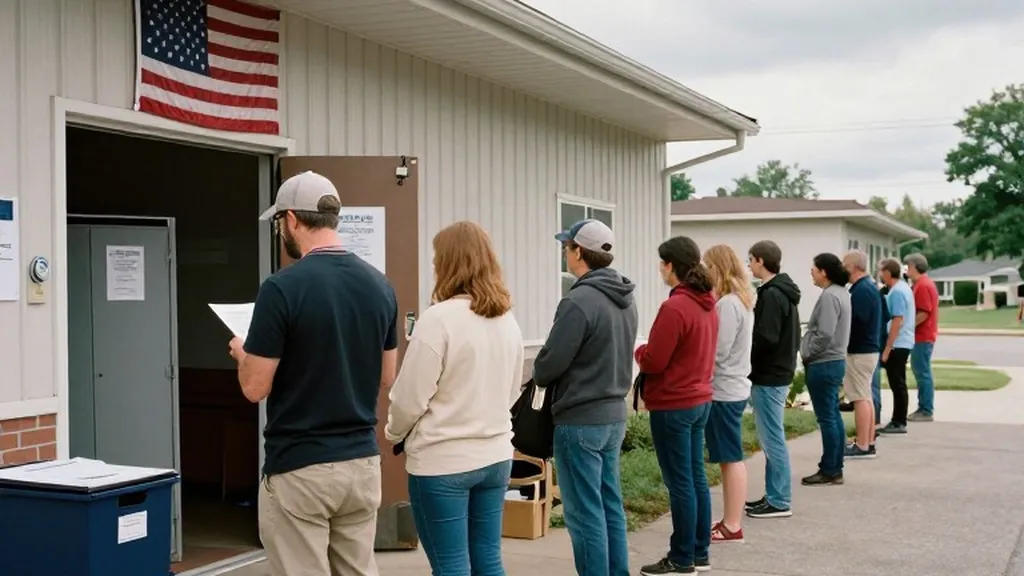
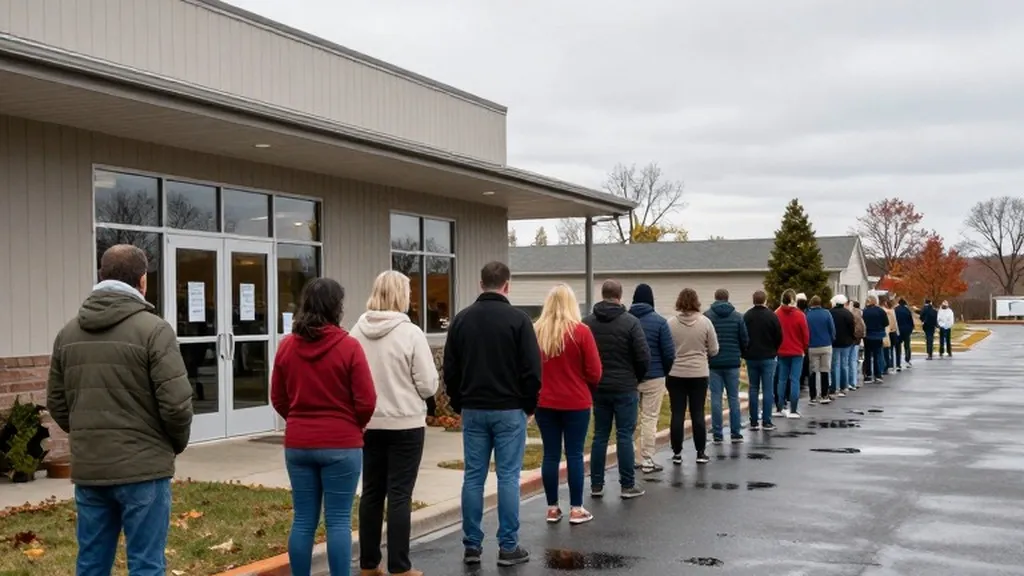
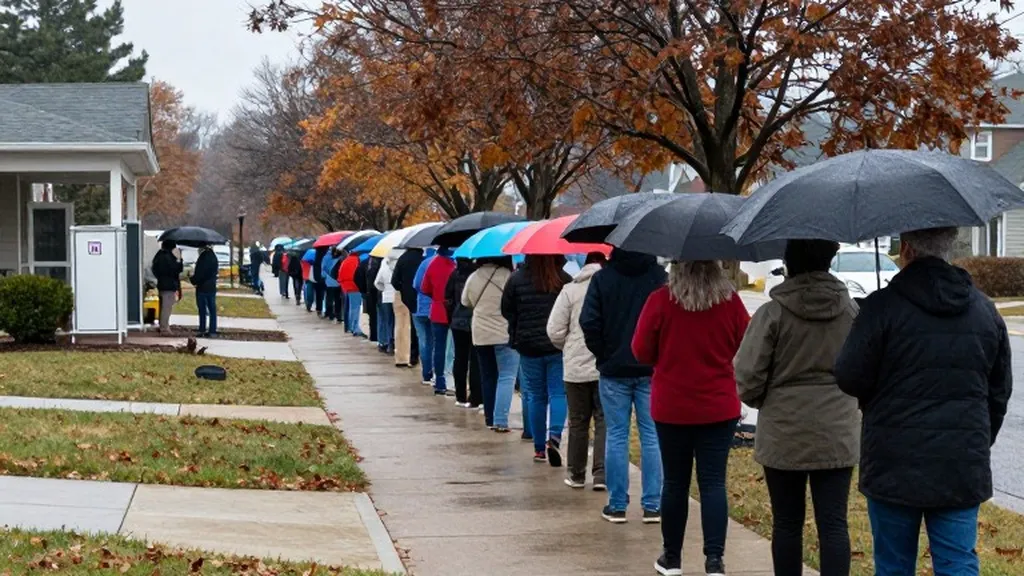
Polls are currently open in all 36 states, with hours varying by location. According to Ballotpedia, most states have polls open from 7:00 a.m. to 7:00 p.m. or 8:00 p.m. local time. Some states, such as California, Colorado, and Oregon, rely heavily on mail-in ballots, which will be counted in the coming days. The Associated Press reports that more than 57 million people had already voted as of Monday, surpassing early vote totals from four years ago in many closely watched states. This high volume of early voting suggests that turnout will be a decisive factor in these 36 races.
The outcome of these governorships will determine the balance of power in state governments for the next two years. With 19 open seats and a 18 to 18 split in the currently held offices, every vote in the nine battleground states and the other 27 contests carries significant weight. The Associated Press concludes that the final tally of these races will provide the clearest picture of which party controls the executive branches of state governments in the final two years of President Trump's term.