Two charged with felonies after using false names in Minnesota primary
Prosecutors say James O'Keefe and Cam Higby impersonated registered voters during the state's August primary, triggering a criminal investigation.
By Omar Bennett ·
James O'Keefe and Cam Higby now face felony charges for unlawful voting and identity theft in Minnesota. The Hennepin County Attorney's Office announced the charges on Wednesday. The two conservative activists allegedly used the names of registered voters without permission during the state's August 11 primary.
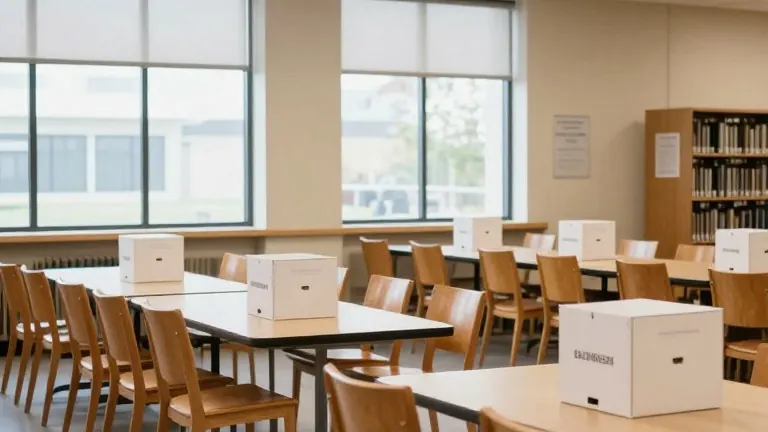
Mary Moriarty, the county attorney, said the men started the state's vouching process at polling places in Minneapolis. This procedure allows unregistered voters who lack proof of current address to register and cast a ballot after signing an oath. Moriarty stated that O'Keefe, 42, of West Palm Beach, Florida, and Higby, 26, of Covington, Washington, gave false names to poll workers. She described the use of registered voters' names without their knowledge as the basis for the felony charges.
The pair recorded their interactions for a video posted to YouTube on August 13. In the footage, the men wore costumes resembling attire associated with some Muslims and used fake accents. Higby kept his face covered, and O'Keefe referred to him as his wife. They asked poll workers how to use the vouching system. The video was intended to show vulnerabilities in the state's voting laws, according to a statement from O'Keefe Media Group.
Poll workers noticed what Moriarty called strange behavior and reported it to election officials. Those officials then asked police to investigate. Although the men did not sign the final oath required to complete the vouching process, prosecutors argued that initiating the process with false identities was enough to support the charges. Moriarty said the situation demonstrated that the system for identifying misconduct functioned well.
The vouching process is rarely used in Minnesota. It is most common among older adults who no longer drive and have not updated their addresses on their driver's licenses. According to the Minnesota Secretary of State, fewer than 0.6% of votes cast in the November 2024 election used this method. Voters vouching for others must sign an oath attesting to the identity and residence of the person they are supporting. The person being vouched for must also sign an oath and provide a Minnesota driver's license number or the last four digits of their Social Security number.
O'Keefe, who founded Project Veritas before leaving its leadership, did not immediately respond to requests for comment. Court records did not list an attorney for him. Higby also did not respond to emails and had no attorney listed in court records. Neither man has entered a plea. O'Keefe Media Group said the team wanted to see how election workers would respond and what safeguards they would describe.
David Becker, executive director of the Center for Election Innovation and Research, noted that he was not aware of widespread fraud resulting from vouching. However, he said there have been recent efforts by those claiming voter fraud to commit questionable acts. Becker described impersonating another voter as a very serious crime.
Voter identification laws vary across the United States. Thirty-six states require or request some form of identification at the polls, ranging from photo IDs to utility bills. In the remaining 14 states and Washington, D.C., voters can cast ballots without showing ID. They verify their identity through affidavits or personal information such as birth date or address. Some states allow officials or other registered voters to vouch for people without current ID, similar to Minnesota's rule.
Source: The News-Herald