State Lines: The 36 Governor and 35 Senate Races Defining 2026
Voters in 36 states decide governors and 35 decide senators in a contest where new congressional maps and economic anxiety are reshaping local politics.
By Omar Bennett ·
The United States is currently deciding the fate of 35 Senate seats and 36 governorships in a midterm election that serves as a referendum on President Donald Trump's second term. According to Ballotpedia, Republicans currently hold 53 Senate seats and Democrats hold 45, with two independents caucusing with the Democrats. For Democrats to secure a Senate majority, they need a net gain of four seats, while Republicans can afford to lose only two. The governorships present a similar tight race, with Republicans holding 26 offices and Democrats holding 24. Democrats require a net gain of two governorships to achieve a nationwide majority, a status they have not held since 2010.
The Associated Press describes the current political mood as one where voters are struggling with high prices and expressing anger over an unpopular war with Iran. AP-NORC polling indicates that 35% of U.S. adults approve of Trump's job performance, while only 25% approve of his handling of the economy. Approximately seven in ten adults say the country is heading in the wrong direction, with most blaming the president for rising costs. This economic pressure is visible in the battleground states, where campaigns have focused heavily on the cost of living and oversight of the executive branch.
In the Senate, thirteen races are rated as battlegrounds by major political analysts. Maine is considered a toss-up by all four major rating services, driven by economic strain and tariffs that have made the state more competitive. Senator Susan Collins, a Republican, faces a challenge from Democratic former state Senate President Troy Jackson. In Iowa, the seat is open after Senator Joni Ernst announced her retirement. The race is rated as a toss-up or a tilt toward Republicans in a state where Trump won by 13.2 points in 2024.
Ohio presents a complex scenario with a special election for the remainder of the term that Senator JD Vance left in 2022. Republican Senator Jon Husted is running for the full term against Democratic former Senator Sherrod Brown. The Associated Press notes that Ohio is one of the states using a new congressional map, which adds a layer of uncertainty to the local dynamics. In North Carolina, Democratic former Governor Roy Cooper is challenging Republican former RNC chair Michael Whatley for the seat vacated by retiring Senator Thom Tillis.
Governor races are equally pivotal, with Democrats defending five governorships in states that Trump won in 2024. These include Arizona, Kansas, Michigan, Pennsylvania, and Wisconsin. Republicans are defending two governorships in states that Kamala Harris won, specifically New Hampshire and Vermont. In Georgia, Republican health care executive Rick Jackson is running against Democratic former Atlanta Mayor Keisha Lance Bottoms. This race is significant because it is an open seat following the term limits of incumbent Brian Kemp.
New redistricting maps are influencing the election in six states: California, Florida, Missouri, North Carolina, Tennessee, and Texas. Ohio is also using a new map. These new lines have created uncertainty for candidates, as some new districts may not vote as originally drawn. The Associated Press notes that Republicans attempted to beat the traditional midterm pattern of losing seats by leveraging redistricting, but the effectiveness of these maps is being tested in this cycle.
Money is playing a significant role in the election, which is likely to be the most expensive in history. Republican committees have outraised and outspent Democratic committees at the party level, aided by Trump-affiliated groups and Elon Musk. However, at the candidate level, Democrats have outraised their opponents. An AP analysis of AdImpact data shows that 88.1% of Republican general election TV ad spending went to states and districts Trump won in 2024, including more than $850 million in areas where he won by 10 points or more.
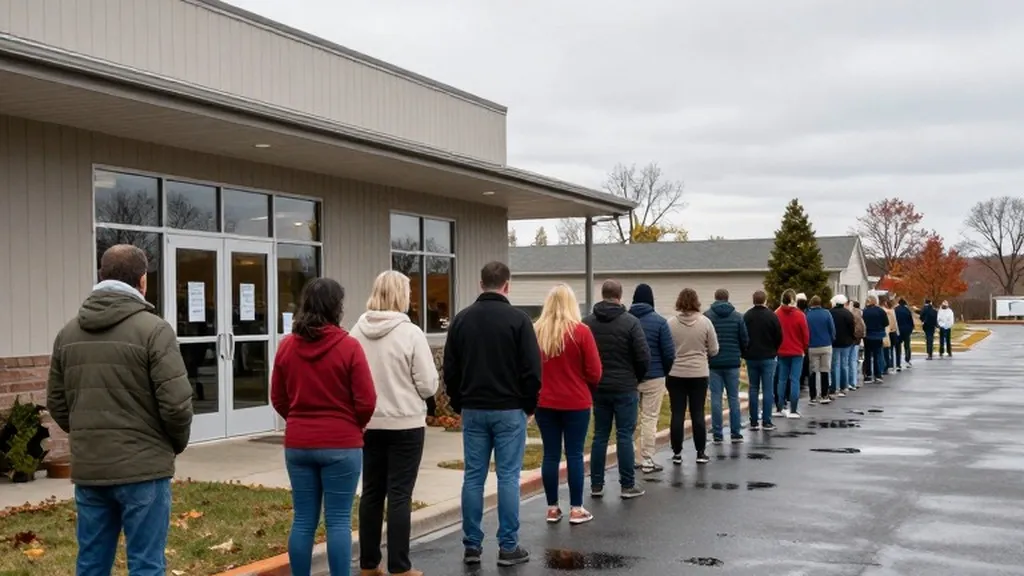
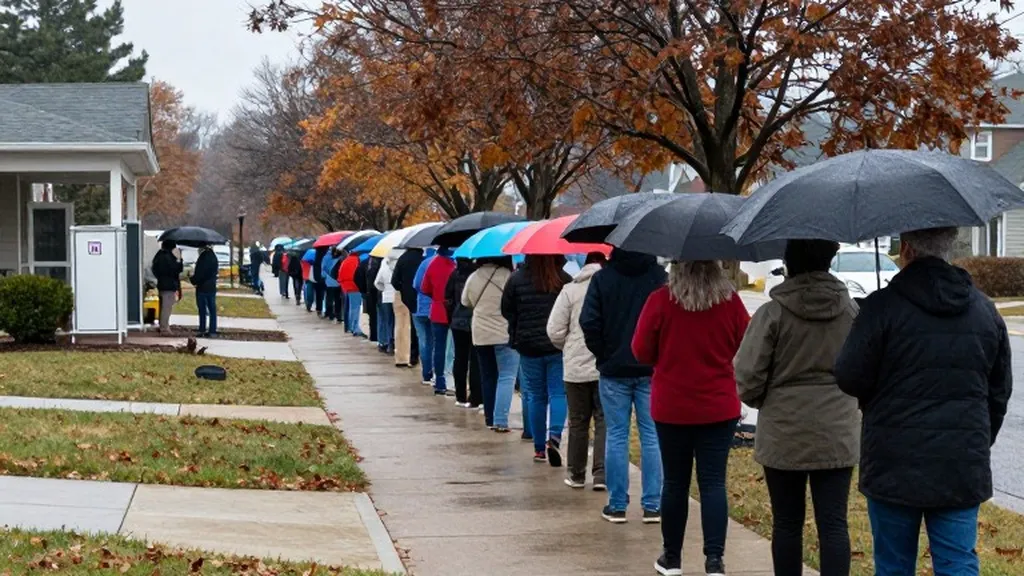
Voter turnout is a critical factor, with more than 57 million people having already voted as of Monday. This surpasses the early vote total from four years ago in many closely watched states. RNC Chairman Joe Gruters stated that everything depends on turnout, asserting that if they turn out their voters, they will win. In contrast, DCCC Chair Rep. Suzan DelBene said the American people are angry and want change. These quotes reflect the strategic priorities of both parties as they fight for control of Congress.
Election administration has been a point of contention, with a federal judge temporarily barring the Trump administration from carrying out a plan to prevent noncitizen voting. Critics argue this risks disenfranchising eligible voters, while the administration claims it is necessary to ensure election integrity. The U.S. Postal Service has added hours and staff to ensure mail ballots are counted on time. In Alaska, the Trump administration filed a lawsuit related to the certification of the Senate result, adding a legal dimension to the political contest.
The stakes of this election extend beyond immediate control of Congress. If Democrats win even one chamber, investigations and possible impeachment proceedings become likely. House Democratic Leader Hakeem Jeffries, who would be the first Black speaker if Democrats take the House, has outlined a 100-day agenda focused on the cost of living and oversight. A strong Democratic night could also boost potential 2028 candidates such as Gavin Newsom, JB Pritzker, and Pete Buttigieg, while potentially complicating the path for Vice President JD Vance.
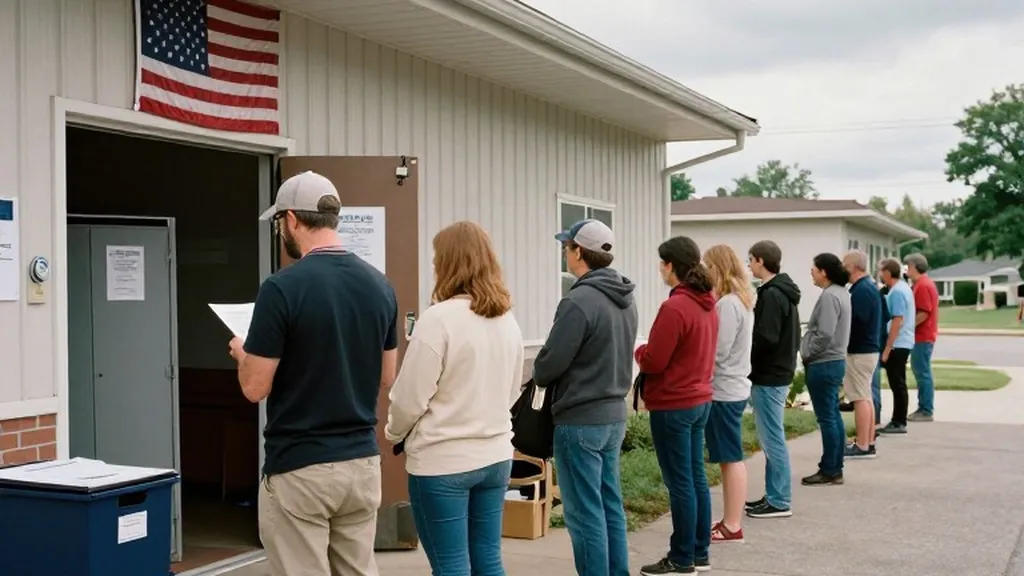
As polls open across the country, voters are heading to the polls with a mix of economic anxiety and political uncertainty. In Palm Beach Gardens, Florida, voter Mark Barker expressed support for Trump, saying he thinks the president is doing an awesome job. In Raleigh, North Carolina, librarian James Moore cited rising taxes and healthcare costs as reasons for his vote. These individual experiences highlight the national debate over the direction of the country and the performance of the current administration.