57 Million Ballots Cast as Gruters and DelBene Frame Turnout Fight
With polls open, both parties emphasize ground game and voter mobilization, citing record early voting and intense competition in key battlegrounds.
By Elena Svoboda ·
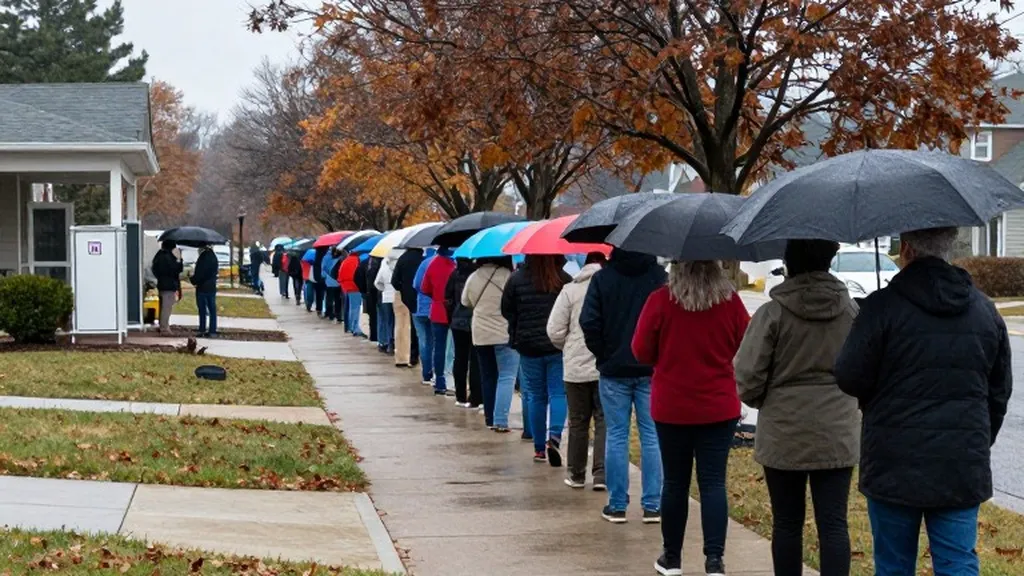
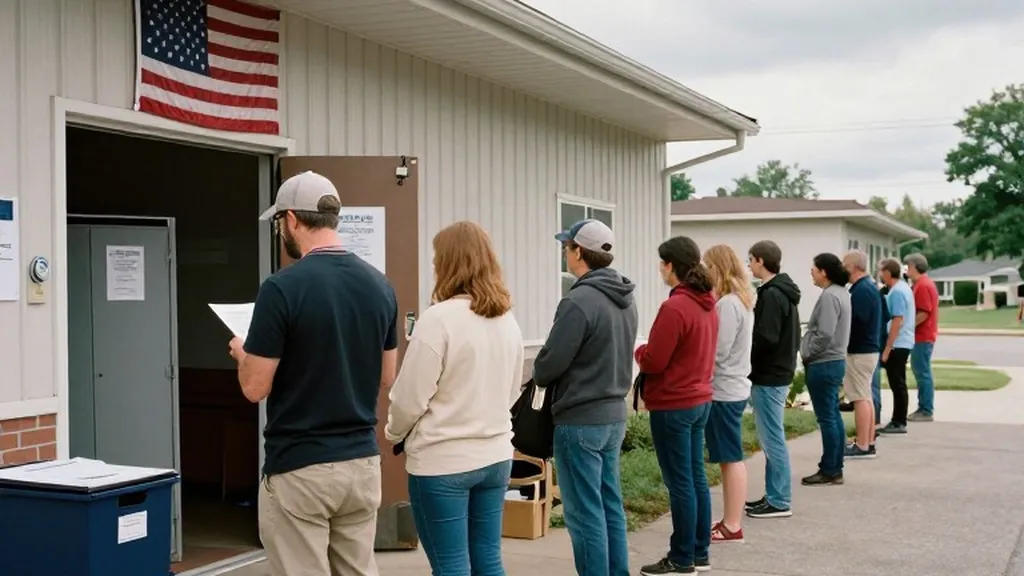
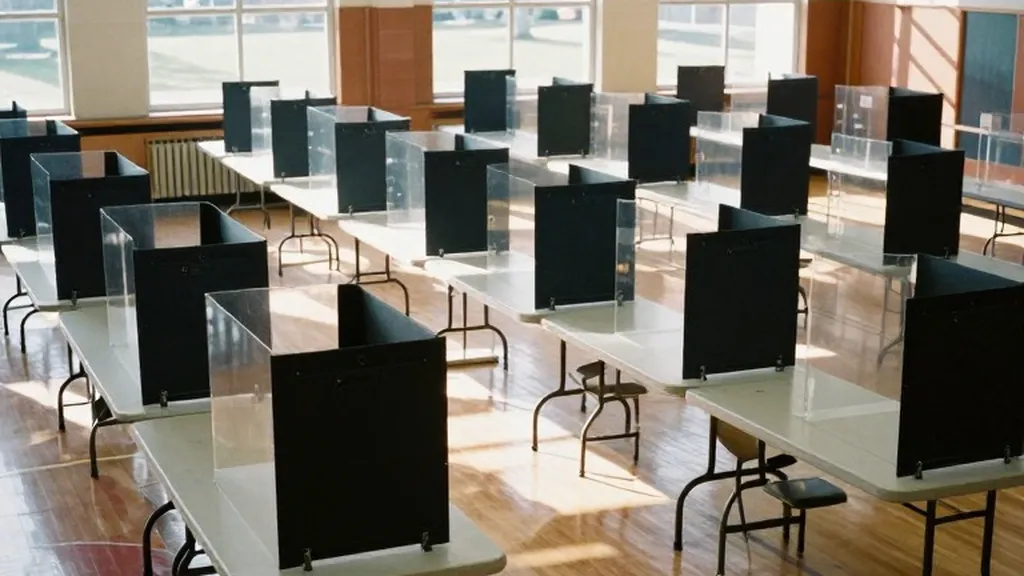
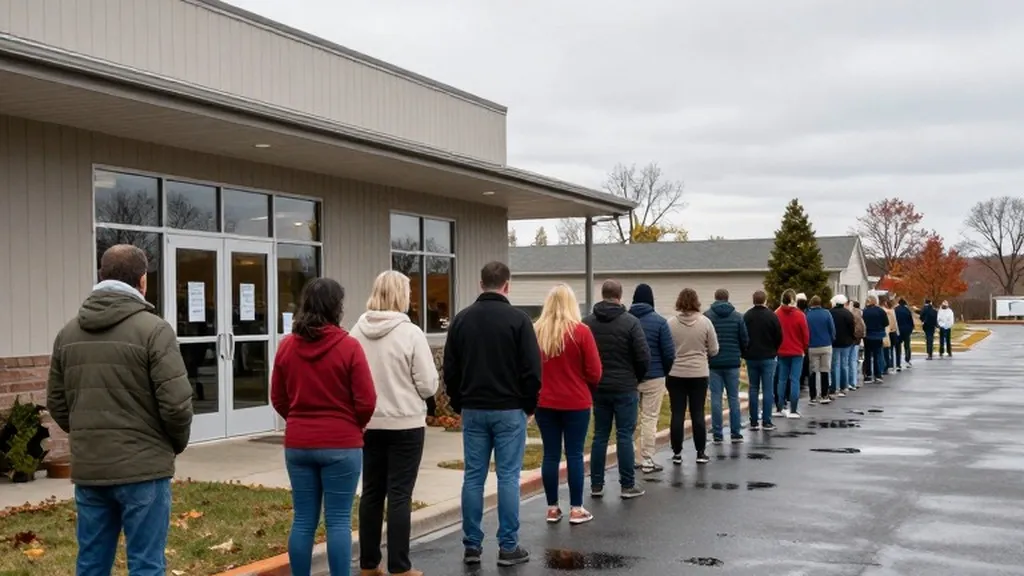
More than 57 million Americans had already cast their ballots as of Monday, surpassing early voting totals from the 2022 midterms in many closely watched states according to the Associated Press. This surge in early participation has set the stage for a decisive Tuesday, with both political parties focusing intensely on voter mobilization efforts. The Associated Press notes that Republicans are bracing for the possibility of losing the House while fighting to retain control of the Senate. Conversely, Democratic leadership describes their outlook as cautiously optimistic, acknowledging the difficulty of the task but expressing confidence in their base.
The central narrative for both campaigns revolves around the ability to bring supporters to the polls. RNC Chairman Joe Gruters emphasized this strategy, stating, "Everything depends on turnout. If we turn out our voters, we win, and that's what we've been planning for." His comments reflect a Republican strategy focused on maximizing participation among their core electorate. This approach is critical given the historical tendency for the president's party to lose seats in midterm elections. Republicans have attempted to counter this pattern through redistricting efforts, although new district maps in states like Florida and Texas may not perform as predicted by their architects.
In response, DCCC Chair Rep. Suzan DelBene highlighted the emotional state of the electorate. She stated, "The American people are angry. They want change." This framing seeks to harness voter dissatisfaction with economic conditions and the administration's second term. The Associated Press reports that voters are struggling with high prices and are angry over an unpopular war with Iran. These issues form the backbone of the Democratic ground game, which aims to convert frustration into votes for House and Senate candidates in competitive districts.
The ground game involves extensive canvassing and outreach efforts in swing states. In Kansas, a reliably Republican state, the Senate race has become central to the fight for control. President Trump held a rally in Salina, Kansas, on Sunday, where he urged voters to "pretend I'm on the ballot." This event was part of a schedule that included stops in Mississippi, South Carolina, and Texas. However, many Republican candidates have kept a public distance from the president, reflecting a complex dynamic within the party as they seek to balance his influence with local voter preferences.
Economic anxiety is a dominant theme in voter interviews. James Moore, a 57-year-old librarian in Raleigh, North Carolina, told the Associated Press, "I'm paying more taxes. I'm paying more for my healthcare. I'm paying more for everything." His sentiments mirror polling data from AP-NORC, which indicates that 25% of U.S. adults approve of Trump's handling of the economy. About 7 in 10 respondents say the country is heading in the wrong direction. Most of those surveyed blame the president for high prices, a perception that Democratic strategists hope will drive turnout in their favor.
Conversely, some voters remain supportive of the administration's direction. Mark Barker of Palm Beach Gardens, Florida, told the Associated Press, "I've just been following Trump the whole time. I really think he's doing an awesome job." This support is vital for Republican candidates defending their seats in districts Trump won in 2024. The AP notes that 21 Democratic-held districts voted for Trump in the last presidential election, while nine Republican-held districts voted for Kamala Harris. These crossovers highlight the volatility of the political landscape and the importance of local campaigning.
Money has played a significant role in shaping the election's trajectory. The 2026 elections are likely to be the most expensive in history, with Republican committees outraising and outspending their Democratic counterparts at the committee level. This was aided by Trump-affiliated groups and billionaire Elon Musk. However, at the candidate level, Democrats have outraised their opponents. An AP analysis of AdImpact data shows that 88.1% of Republican general election TV ad spending went to states and districts Trump won in 2024. This targeted spending aims to protect the party's base while investing in defensive strategies in the Senate.
The administration has also been active in election administration, filing lawsuits in Alaska and California related to voting certification and noncitizen voting. A federal judge temporarily barred the administration from a plan to prevent noncitizen voting on Monday, a move critics say risks disenfranchising eligible voters. The Justice Department has threatened to prosecute local election officials, adding a layer of tension to the process. These legal battles have fueled concerns about interference and intimidation among Democratic voters, who fear that strict enforcement of voting rules could suppress turnout in key areas.
Postal service adjustments have also been made to ensure timely counting of mail ballots. The U.S. Postal Service added hours, staff, and special lines to process these ballots. This logistical effort is crucial in states where mail voting is prevalent, such as California, Colorado, and Oregon. The Associated Press notes that these measures are designed to prevent delays in reporting results, which could influence the final count and the narrative of the election night.
Wall Street is closely monitoring the election results for their impact on the broader economy. Reuters reports that outcomes could affect investor concerns regarding AI spending and debt ceiling negotiations. The political shift in Congress could alter legislative priorities, including tax policy and infrastructure spending. This economic scrutiny adds another dimension to the stakes of the election, as voters consider how their choices will affect their wallets and the nation's financial stability.
As polls open across the country, the focus remains on who will show up to vote. The combination of high early turnout, intense ground games, and significant financial investment underscores the importance of this election. Whether Democrats can capitalize on voter anger or Republicans can hold their ground in key districts will determine the balance of power in Congress for the next two years. The results of Tuesday's vote will set the tone for the remainder of President Trump's second term and the path toward the 2028 presidential race.