Midterm math: How both parties aim to break the historical losing streak
With the House and Senate hanging in the balance, Democrats and Republicans deploy distinct strategies to overcome the historical trend of the president's party losing ground.
By Omar Bennett ·
History suggests that the party holding the White House almost always loses seats in midterm elections. This pattern has held firm for decades, creating a significant hurdle for the current administration. Both political parties entered this cycle with a keen awareness of this statistical disadvantage and advantage. The goal for Republicans is to defy the norm, while Democrats aim to capitalize on it. The outcome will determine who controls Congress for the remainder of the president's term.
The stakes are high across multiple chambers. All four hundred thirty-five seats in the House of Representatives are up for grabs. Democrats currently hold two hundred fourteen seats and need a net gain of three to secure a majority. Republicans hold two hundred eighteen seats and can afford to lose no more than two. In the Senate, thirty-five seats are contested, with Democrats needing a net gain of four to take control. Republicans can lose only two seats to maintain their current advantage. These narrow margins mean that a small shift in voter behavior could change the balance of power entirely.
Republicans have focused their efforts on protecting the Senate. They are bracing for potential losses in the House but are fighting to keep their majority in the upper chamber. The Associated Press notes that one or two seats could tip the balance in either chamber. Republican strategists have relied on redistricting in several states to create more favorable maps. New congressional maps are being used in six states, including Florida and Texas. However, analysts warn that these new districts may not vote exactly as drawn, adding a layer of uncertainty to their plans.
Democrats, on the other hand, are operating with cautious optimism. They view this election as a referendum on the president's second term. Polling data from the Associated Press and NORC shows that thirty-five percent of U.S. adults approve of the president's job performance. About seven in ten voters say the country is heading in the wrong direction. Many blame the administration for high prices and an unpopular war with Iran. Democrats are using these sentiments to drive voter turnout and energize their base in key battleground districts.
Money has played a crucial role in shaping the campaign landscape. The 2026 elections are likely to be the most expensive in history. Republican committees outraised and outspent their Democratic counterparts, aided by groups affiliated with the president and major donors. In contrast, Democratic candidates outraised their Republican opponents at the individual level. An analysis of advertising data shows that eighty-eight percent of Republican general election TV ad spending went to states and districts the president won in 2024. This strategy reflects a focus on defending strongholds rather than flipping competitive areas.
Voters are expressing frustration over the cost of living. A librarian in Raleigh, North Carolina, noted that he is paying more for taxes, healthcare, and everyday items. This sentiment is echoed in polling data showing that most Americans blame the president for high prices. In response, Democrats have outlined a one-hundred-day agenda focused on the cost of living and oversight if they gain control of the House. This agenda aims to address immediate economic concerns and provide a clear vision for the next two years.
Republicans are also emphasizing turnout as a key factor in their success. The chair of the Republican National Committee stated that everything depends on getting their voters to the polls. They have organized extensive ground operations to ensure that their base participates. The president has held dozens of rallies to boost morale and encourage voting. However, many Republican candidates have kept some distance from the president to appeal to moderate voters. This strategic distance is a common tactic in midterm elections where the president's approval ratings are low.
The race for governorships is also critical. Thirty-six governorships are up for election, with each party holding eighteen of the contested seats. Democrats would need a net gain of two governorships to hold a nationwide majority for the first time in two decades. Republicans have held the governorship majority since 2010. Key battles are unfolding in states like Georgia, Nevada, and Ohio. These races will determine who controls state governments and influences policy areas such as education and healthcare.
Election administration has been a point of contention this year. A federal judge temporarily barred the administration from carrying out a plan to prevent noncitizen voting. Critics argue that this plan risks disenfranchising eligible voters. Another judge ordered the administration to stop demanding that California election officials segregate ballots cast by people on lists of suspected noncitizens. These legal moves have added complexity to the election process and heightened tensions between the federal government and state election officials.
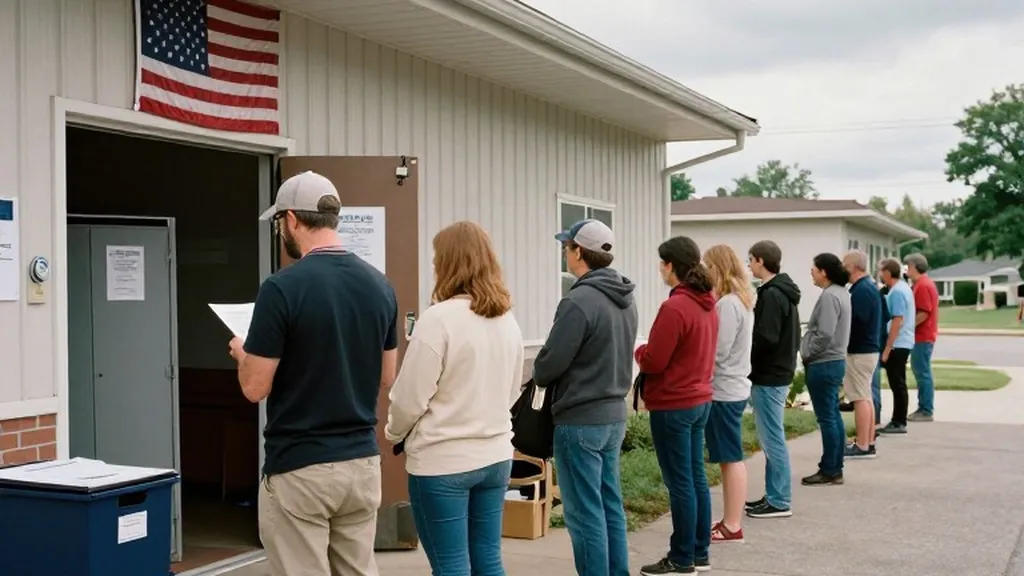
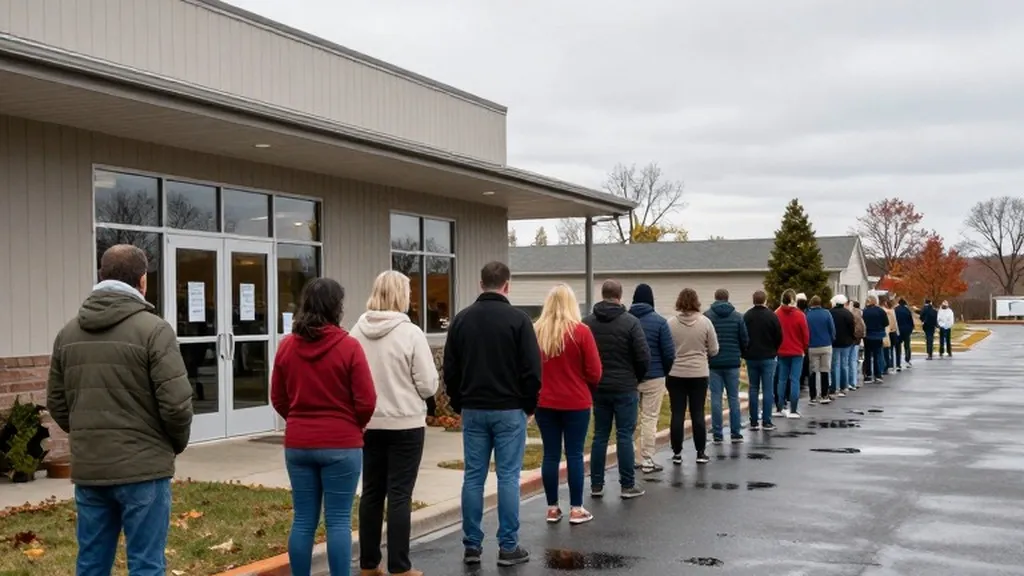
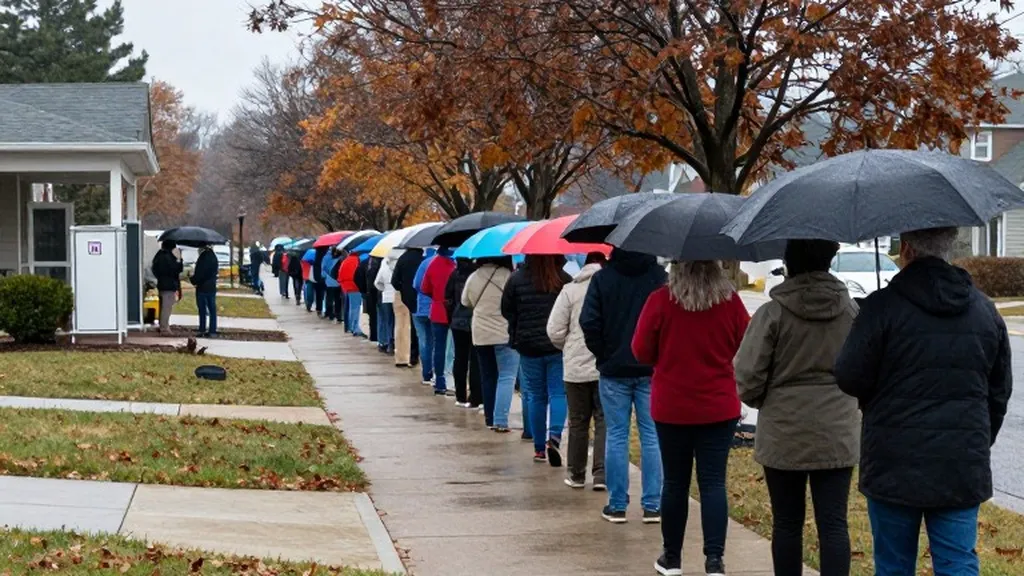
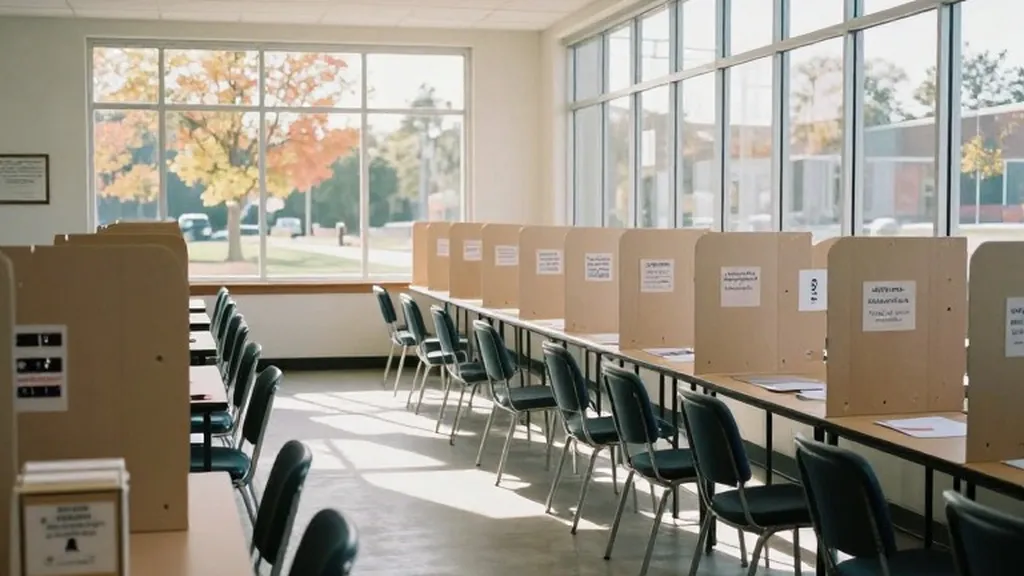
More than fifty-seven million people have already voted, surpassing the early vote totals from four years ago in many closely watched states. The U.S. Postal Service has added hours, staff, and special lines to ensure that mail ballots are counted on time. This surge in early voting indicates high engagement from both parties. As polls open today, the focus shifts to how voters in battleground districts will cast their ballots. The results will reveal whether the historical pattern of midterm losses for the president's party will continue or be broken this year.