Voters in Raleigh and Palm Beach weigh tariffs against trust in AP-NORC poll
With 35% approving of the president, AP-NORC data shows economic anxiety driving turnout in key midterms.
By Kenji Garnier ·
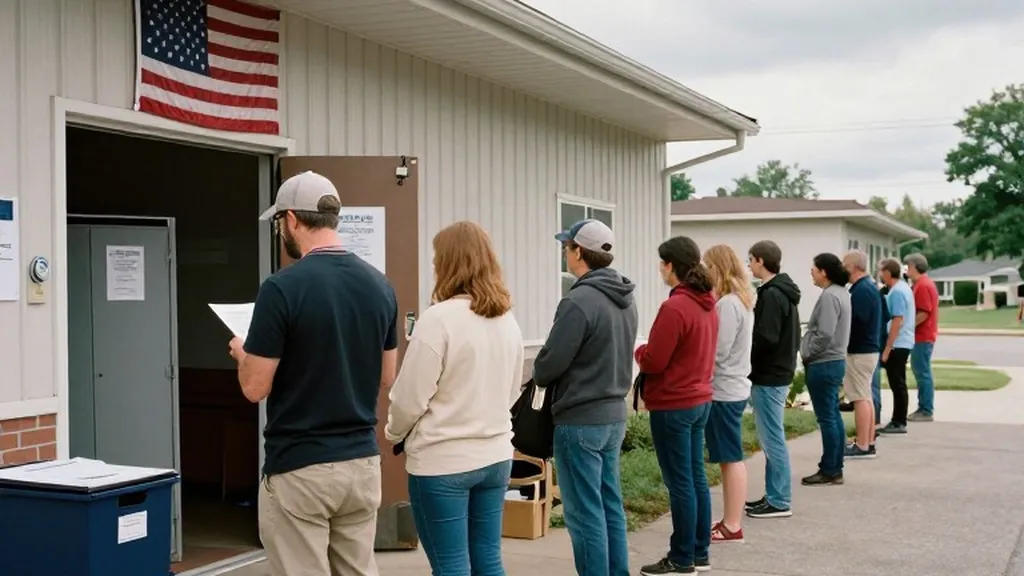
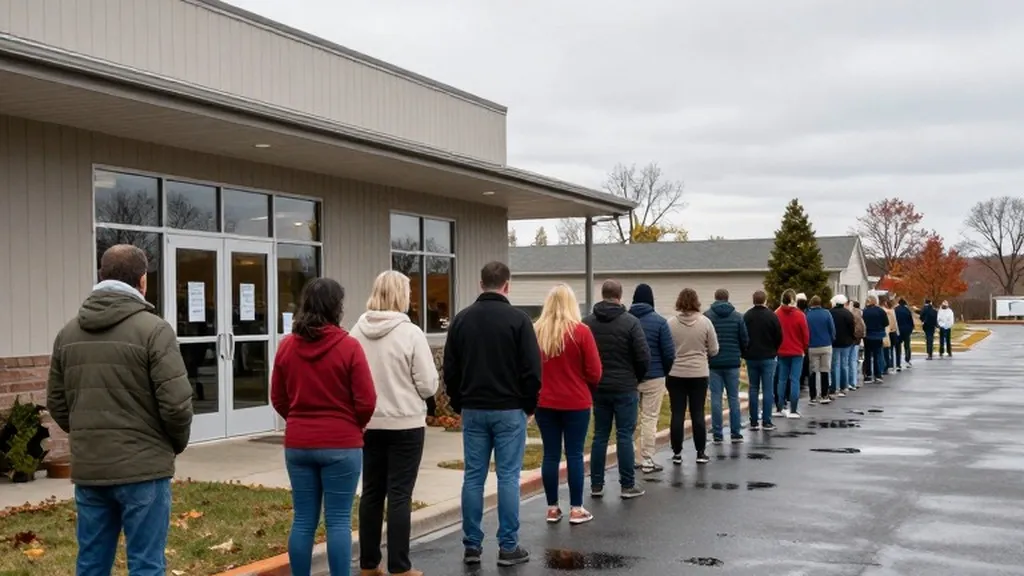
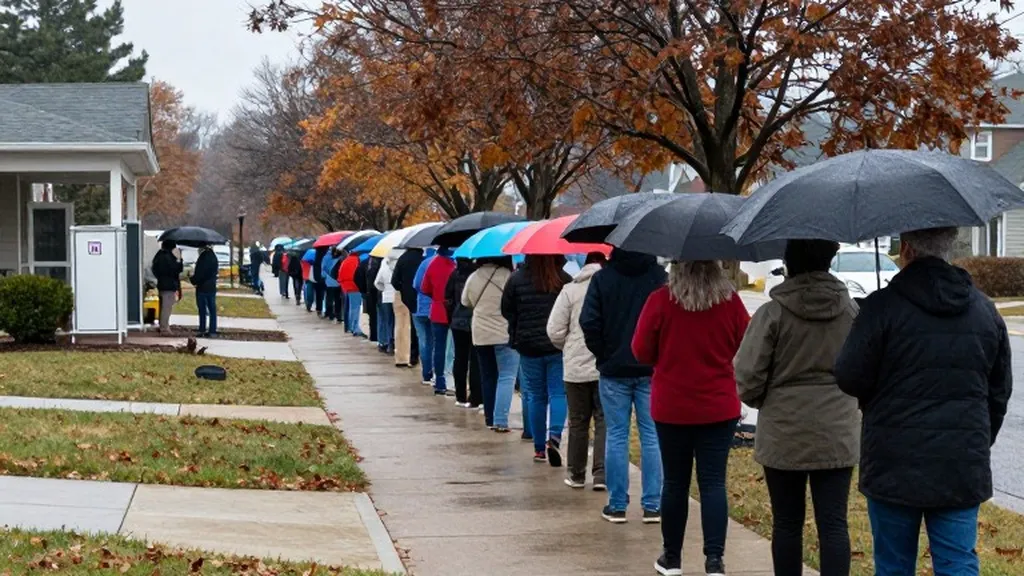
Voters across the United States are casting ballots on Tuesday, November 3, 2026, in midterm elections that will determine control of Congress for the final two years of President Donald Trump's second term. The Associated Press describes this contest as a referendum on the current administration, with many citizens expressing frustration over high prices and an unpopular war with Iran. More than 57 million people had already voted by Monday, surpassing early vote totals from four years ago in many closely watched states. This early surge reflects a broad engagement with the economic conditions that have defined the political landscape since the last election.
New data from the AP-NORC poll highlights the central tension in this race. Only 35% of U.S. adults approve of President Trump's job performance, while just 25% approve of his handling of the economy. Approximately seven in ten respondents say the country is heading in the wrong direction, and most of those voters blame the president for high prices. These numbers suggest that the cost of living has become the primary metric by which many independents and swing voters are evaluating their choices. The poll indicates that economic dissatisfaction is a significant factor in the current voter mood.
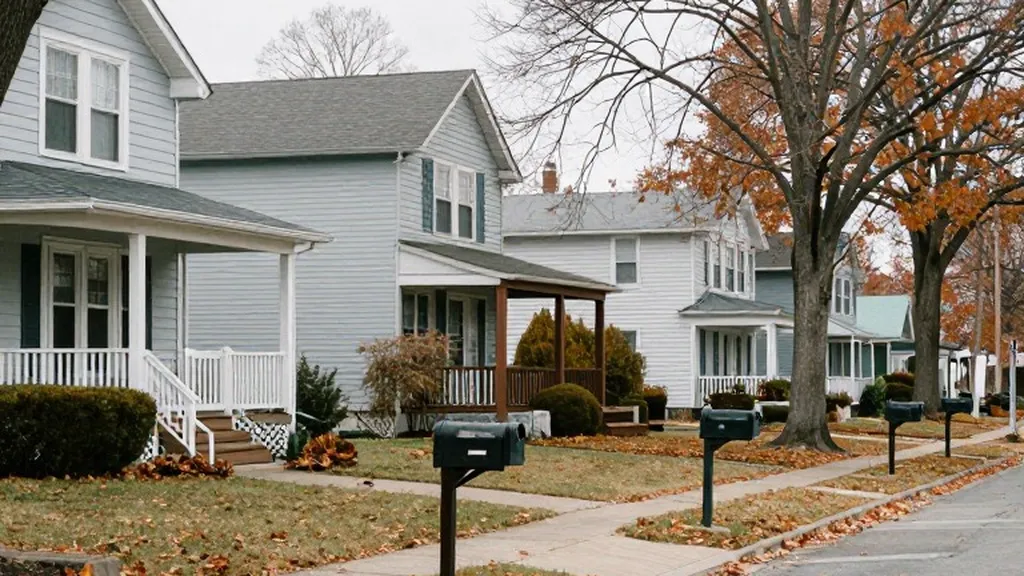
The impact of tariffs and inflation is palpable in swing districts and states. In Raleigh, North Carolina, James Moore, a 57-year-old librarian, cited the rising cost of daily necessities as a primary reason for his vote. Moore stated that he is paying more in taxes, more for healthcare, and more for everything else. His experience mirrors that of many voters in the state, where the Senate race is particularly competitive. The AP notes that economic strain and tariffs have made states like Maine and North Carolina crucial battlegrounds for Senate control. Voters in these areas are closely watching how federal policies affect their household budgets.
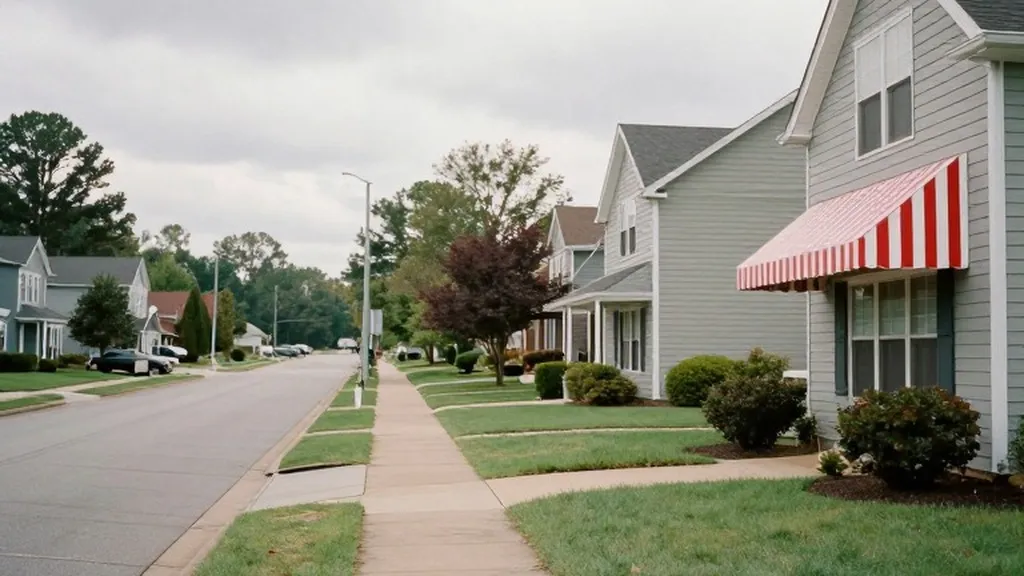
In contrast, voter sentiment in Palm Beach Gardens, Florida, presents a different perspective. Mark Barker, a local voter, said he has been following the president closely and believes he is doing an awesome job. Barker’s view reflects a segment of the electorate that remains supportive of the current economic direction, despite the broader poll numbers. Florida is one of the states using new congressional maps after mid-decade redistricting, which adds another layer of complexity to the local races. The state’s shift in political dynamics is being watched closely by national parties as they attempt to gauge the strength of their candidate fields in these redrawn districts.
Republicans are bracing for the possibility of losing the House while fighting to hold the Senate. The Associated Press reports that one or two seats could tip the balance in either chamber. RNC Chairman Joe Gruters emphasized the importance of turnout, stating that if the party turns out its voters, they will win. Democrats, meanwhile, are described as cautiously optimistic. DCCC Chair Rep. Suzan DelBene argued that the American people are angry and want change. Both parties are focusing on mobilizing their bases in the 46 House battleground districts identified by Ballotpedia, with 25 of those seats currently held by Democrats and 21 by Republicans.
The financial scale of these elections is also unprecedented. The 2026 contests are likely to be the most expensive in history, with Republican committees out-raising and out-spending their Democratic counterparts. This spending advantage was helped by Trump-affiliated groups and Elon Musk. However, at the candidate level, Democrats out-raised their opponents. An AP analysis of AdImpact data shows that 88.1% of Republican general election TV ad spending went to states and districts that Trump won in 2024. This targeted spending reflects the strategy of defending the president’s base while attempting to hold onto competitive Senate seats in states like Georgia and Ohio.
Election administration issues have added to the complexity of the day. A federal judge temporarily barred the Trump administration from carrying out a plan to prevent noncitizen voting, a move that critics say risks disenfranchising eligible voters. The administration also sued in Alaska and California regarding certification and ballot handling. The U.S. Postal Service added hours and staff to ensure mail ballots are counted on time. These administrative hurdles have raised concerns among Democrats about potential interference, while Republicans have focused on securing the integrity of the vote. The legal battles underscore the high stakes involved in determining the final control of the legislative chambers.
Beyond the immediate control of Congress, the results will have significant implications for the future of the parties. If Democrats win even one chamber, investigations and possible impeachment proceedings become likely. House Democratic Leader Hakeem Jeffries, who would be the first Black speaker, has outlined a 100-day agenda focused on the cost of living and oversight. A strong Democratic night would also boost potential 2028 candidates such as Gavin Newsom, JB Pritzker, and Pete Buttigieg. Conversely, a Republican victory would solidify the president’s base and complicate the path for Vice President JD Vance in future cycles. The new congressional maps in states like North Carolina and Texas will play a key role in shaping these long-term dynamics.
Wall Street is closely monitoring the results for signals on economic policy, including AI spending and debt ceiling negotiations. The market’s reaction will depend on how clearly voters express their preferences on economic management. With polls open across the country, the final outcome remains uncertain. The combination of high early vote numbers, intense spending, and legal challenges creates a volatile environment. Voters in places like Raleigh and Palm Beach are making their final decisions based on a mix of personal economic experiences and broader political narratives.