Fuel costs hit election record
Gasoline and diesel prices are forecast to reach their highest levels on an election day, defying the administration's campaign promise to cut them below two dollars.
By Elena Svoboda ·
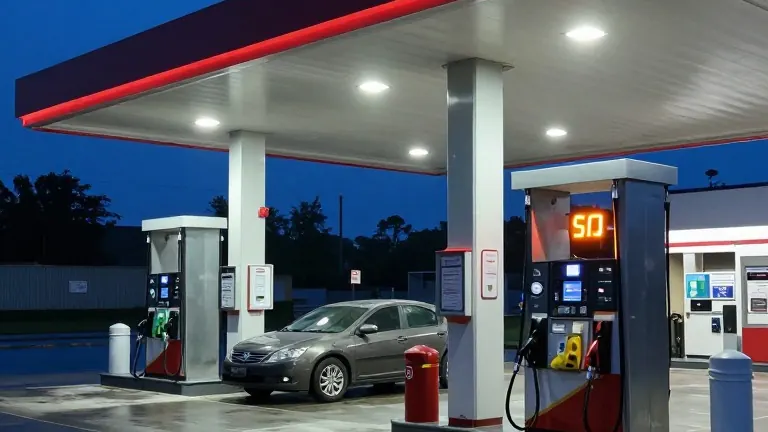
Voters heading to the polls on Tuesday face fuel costs that contradict a core promise of the current administration. President Donald Trump pledged in September 2024 that his plan would reduce energy prices by at least half within twelve months of taking office. He specifically told supporters at a New York Economic Club speech that the goal was to bring gasoline below two dollars a gallon. Instead, retail prices have climbed to historic highs for this time of year.
According to Patrick De Haan, head of petroleum analysis at GasBuddy, gas and diesel prices are forecast to be the highest ever recorded on an election day. De Haan noted that prices have never been this high this late in the calendar year. The national average for gasoline stood at $4.20 per gallon on Friday, nearly 40% higher than the same period last year. Diesel, which is essential for transportation and agriculture, has surged by approximately 70% over the past year to reach $6.32 per gallon.
The spike in prices follows a series of geopolitical disruptions that began earlier this year. In February, the United States and Israel launched a joint attack on Iran. Tehran retaliated by targeting tankers transiting the Strait of Hormuz, a move that severely depressed oil flows through the vital shipping route. Although exports through Hormuz have rebounded since the summer as the U.S. military assisted ships, the disruption has been compounded by Houthi rebel attacks on Saudi refineries and Ukrainian strikes on Russian facilities.
Trump argued last Sunday at a Michigan rally that rising fuel prices are a small price to pay to prevent Iran from acquiring a nuclear weapon. White House spokeswoman Taylor Rogers stated that once the conflict ends, gas prices will drop drastically. The administration has also pointed out that gas prices, when adjusted for inflation, have been higher around previous election days. However, the White House acknowledged the current pain, noting that the situation required action.
Political pressure mounted from Republicans seeking to contain costs before the election. The high cost of diesel particularly affected large farm states like Iowa, which have historically backed Trump. In response, the president issued an executive order allowing truckers to use tax-exempt offroad diesel on U.S. highways. He also announced an $8 billion relief program for farmers hit by high fuel prices. Additionally, Trump struck a deal with Russian President Vladimir Putin for Moscow to export about six million barrels of diesel into the global market through November, a move criticized by Ukraine and some senators as rewarding aggression.
ExxonMobil CEO Darren Woods told CNBC on Friday that diesel is the key crunch point because it is so critical to economic growth. His company posted huge profits thanks to the disruptions. Airlines have also hiked fares to cover high jet fuel costs, which represent their biggest expense after labor. These increases are straining efforts to contain inflation across the broader economy.
Crude oil prices have rallied ahead of the election, with international Brent crude up more than 13% in October and U.S. West Texas Intermediate crude up 15%. Trump has said he will not resume strikes on Iran before the midterms, but the market is pricing in the risk of another round of fighting after voting ends. De Haan warned that any escalations could put upward pressure on prices just ahead of Thanksgiving, a period when Americans traditionally drive to visit friends and family.
Source: CNBC