$1 billion in broadband funds faces workforce gap in East Texas
Deep East Texas officials launch a coalition to train residents and manage infrastructure risks as connectivity expands across eleven counties.
By Omar Bennett ·
Approximately one billion federal dollars are currently flowing into Deep East Texas to upgrade high-speed internet access. The Deep East Texas Council of Governments (DETCOG) has launched the Pineywoods Broadband Coalition to address the human and physical challenges of this expansion. The new body aims to promote technology education and workforce development, aligning with a statewide effort to bring digital resources to rural areas.
Connor Sadro, the council's broadband director, noted that 50% of the region was previously underserved or unserved by high-speed broadband. He stated that the situation is beginning to change. Connectivity varies widely across the eleven counties. Some residents have full access for video calls and streaming, while others struggle to load basic websites on mobile devices. This disparity limits access to telehealth services and remote work opportunities.
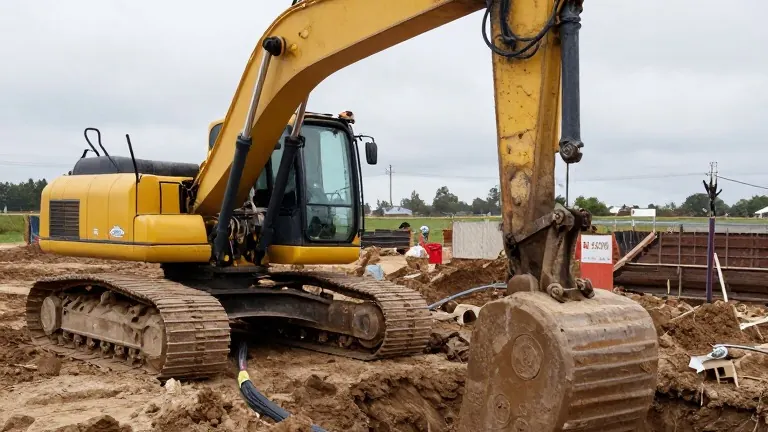
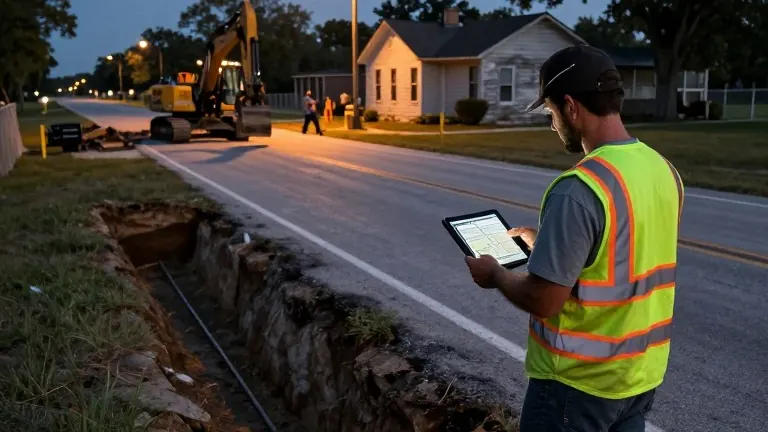
The coalition will pursue three main initiatives. The first focuses on digital navigation and adoption. This program will create training opportunities for residents who have never owned a laptop. Sessions will cover basic computer operations, troubleshooting, and how to use video chats and telehealth platforms. The second initiative targets coordinated infrastructure management. Leaders will work to mitigate physical impacts from broadband construction, particularly fiber optic installation, which requires digging.
Fiber optic expansion has already caused damage to aging water and gas lines, many of which were installed in the 1970s and have not been upgraded. The coalition plans to bring infrastructure experts together to map utility lines and reduce the likelihood of service disruptions. The third initiative targets economic development and workforce readiness. Sadro said that if the region closes the connectivity gap, 10,000 jobs are on the table. Potential roles include fiber optic splicing and online certification programs.
Lonnie Hunt, executive director of DETCOG, said the coalition launched as the council marked the completion of the first phase of a regional broadband network in Newton County. This initial phase serves more than half low-to-moderate income households and is expected to be finished by the end of November. The project cost approximately $9 million. This funding came from a $51 million grant by the Texas General Land Office and a matching contribution from the T.L.L. Temple Foundation. The remaining $42 million of the grant will be released only after the next two phases are bid out.
The coalition was approved by the council's board of directors at a meeting in October. The board consists of community leaders, including city council members and county judges, from across the eleven counties. Sadro said the initiative will not cost the council money at the start, as it relies on existing resources and volunteers. If leaders develop plans that require additional funding, they will seek local, state, and federal grants to cover incurred costs. A 2019 broadband study conducted by the council has guided these expansion methods and supported grant applications.
Source: KSAT-TV
More Business · Consumer Alerts · Report a business · Got a Story?