Deep East Texas: $1 Billion Broadband Push Faces Workforce Gap
New coalition formed by DETCOG aims to train residents and map utility lines to prevent infrastructure damage during fiber expansion.
By Omar Bennett ·
One billion dollars in federal funding is currently flowing into Deep East Texas to expand high-speed internet access. Regional leaders are now addressing how residents will utilize this connectivity. The Deep East Texas Council of Governments, known as DETCOG, has launched the Pineywoods Broadband Coalition to promote technology education and workforce development. This effort supports a statewide push to bring broadband and technical skills to rural areas.
Connor Sadro, the council's broadband director, noted that 50% of the region was previously underserved or unserved with high-speed broadband. He stated that the situation is beginning to reverse. Service levels vary significantly across communities. Some residents can stream video, while others struggle to load basic websites. This gap limits access to telehealth and remote work. Sadro aims to help new users navigate the internet with confidence and prepare the region for construction impacts and new jobs.
The coalition will launch three primary initiatives. The first focuses on digital navigation and adoption. This program will offer training for individuals who have never owned a laptop. Participants will learn basics such as charging and starting computers, along with simple troubleshooting. They will also learn how to attend telehealth appointments and video chats.
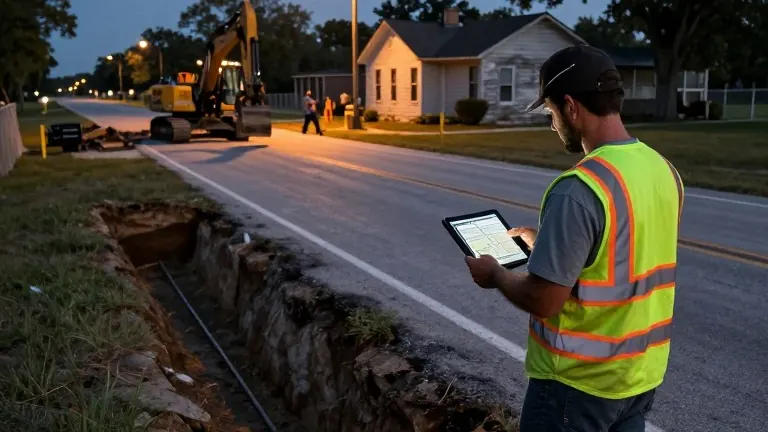
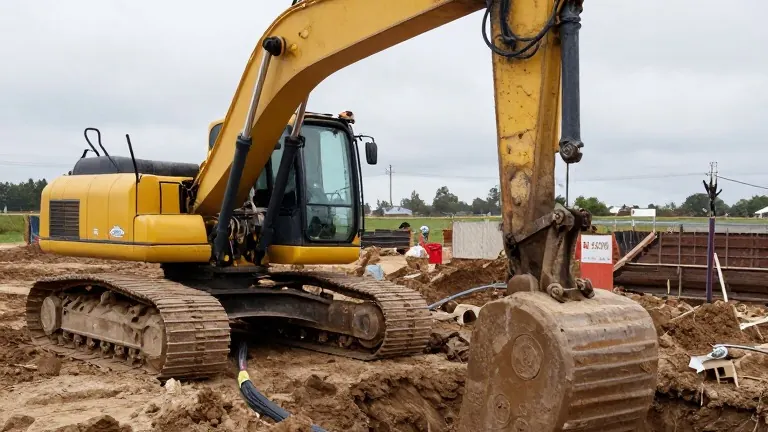
The second initiative targets coordinated infrastructure and funding. Grants cover various access types, including fiber optics and satellite services like Starlink. Satellite service has minimal impact on existing infrastructure, but fiber installation requires excavation. Fiber expansion has already damaged water and gas lines, many of which were installed in the 1970s and have not been upgraded since. The initiative will gather experts to map utility line locations and reduce the chance of disruptions.
The third initiative covers economic development and workforce growth. Connecting the region could create jobs ranging from fiber optic splicers to online certification roles. Sadro said that filling the gap for the 50% underserved population could put 10,000 jobs on the table. The coalition will not cost the council money initially, as it relies on existing resources and volunteers. Leaders may seek local, state, and federal grants as plans develop.
The launch coincided with the council's celebration of the first phase of a larger regional broadband network. This network began in Newton County and will eventually reach six counties. Lonnie Hunt, the DETCOG Executive Director, said the first phase should be finished by the end of November. He noted that more than half of the beneficiaries served by the project are low-to-moderate income households.
The first phase costs approximately $9 million. This amount is drawn from a $51 million Texas General Land Office grant and a match from the T.L.L. Temple Foundation. Sadro said the remaining $42 million will not be released until the next two phases are bid out. The project is one of several underway since a 2019 council broadband study that shaped the region's approach. The council's board, comprising leaders from 11 counties, approved the coalition at an October meeting. Sadro hopes board members will lead the effort or recommend the right person to do so.
Source: KSAT 12
More Business · Temple news · Consumer Alerts · Report a business · Got a Story?