Louisiana Fleets Need $400 in Repairs to Prevent Winter Rust
High heat and humidity during the 2026 summer season have accelerated wear on vehicle components, requiring immediate intervention before cold weather arrives.
By Kenji Garnier ·
The conclusion of the 2026 summer season in Louisiana creates a narrow window for fleet managers to address accumulated vehicle wear before winter maintenance protocols begin. High temperatures and humidity have placed specific stress on truck components, leading to issues that are often invisible until the weather turns damp and unpredictable. Addressing these problems now prevents minor surface damage from becoming structural failures during the colder months.
Summer conditions in the state have historically been less demanding than winter for maintenance. Drivers do not face the same concerns regarding antifreeze ratios, tire chains, or draining water from air tanks. However, the heat and heavy workloads of the summer season have left a toll on vehicles that requires specific attention as the calendar shifts toward fall. The transition period offers a chance to reset vehicle systems before the challenges of the next season arrive.
The first area requiring attention is the paint finish on truck beds. After a season of hauling cargo and tools, the surfaces show signs of wear that can compromise the vehicle's strength. This damage creates entry points for rust as the weather becomes damp. Applying a bed liner spray protects against traffic, UV damage, and moisture. This step is essential for maintaining the structural integrity of the cargo area.
Air filters inside the cabin have worked through the summer to manage high pollen counts and dust. Replacing these filters ensures the truck does not retain odors from the previous season. A fresh filter improves air quality as the weather turns damp. The process is simple but effective in changing the interior environment of the vehicle.
Hurricane season remains active, making wiper blade inspection a priority for drivers. Streaking or chattering blades indicate that the rubber has degraded and is no longer gliding smoothly across the windshield. Replacing the blades before medium rainfall events ensures visibility remains clear. This proactive step is critical for safety in Louisiana's current weather patterns.
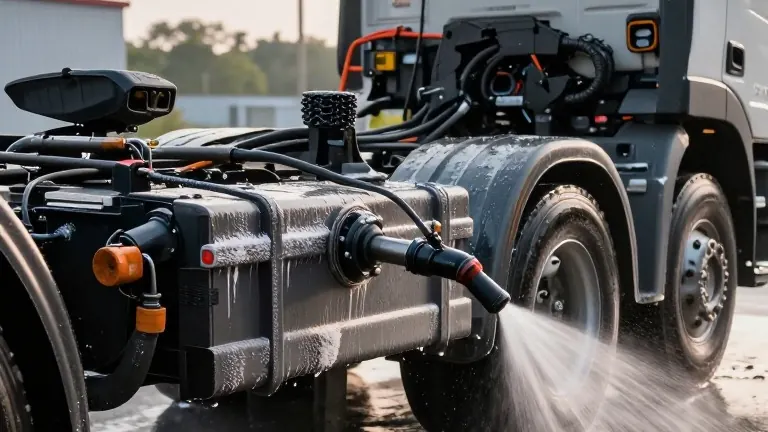
A deep wash of the vehicle is necessary to remove salt and humidity from the undercarriage. These elements accelerate oxidation in hard-to-reach metalwork. While undercarriage blasts at car washes are available, a handwash provides a gentler and more thorough cleaning. Removing these contaminants now prevents long-term corrosion as the air becomes colder.
Finally, the coolant balance must be checked immediately. High summer heat can degrade additives in the coolant, potentially requiring a full system flush. Waiting until temperatures drop risks finding the system is not road-worthy when winter arrives. Addressing the coolant now ensures the engine operates efficiently as the season changes.
Source: Big Easy Magazine
More Business · Consumer Alerts · Report a business · Got a Story?