Gas Above $4 Per Gallion Weighs on GOP Midterm Prospects
The Iran conflict, now nearly eight months old, has driven fuel costs to record levels, creating a measurable headwind for Republican candidates seeking to retain Congress.
By Elena Svoboda ·
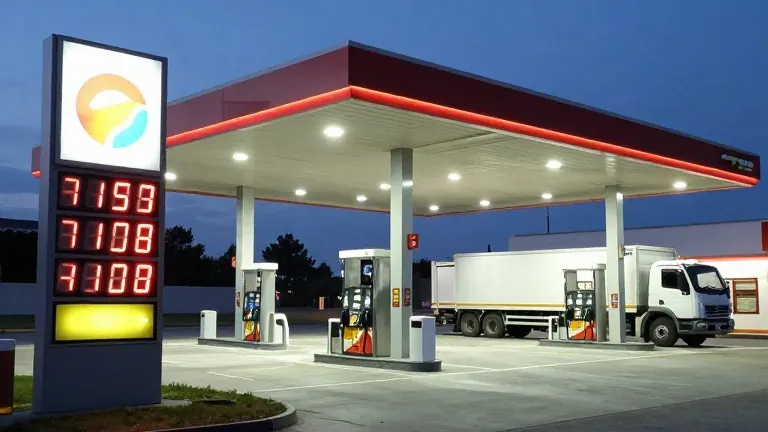
President Donald Trump launched a war on Iran with the stated goal of keeping it brief, but the conflict has stretched into its eighth month. This duration has pushed diesel prices to near all-time highs in the United States. The rising cost of fuel is now a central economic factor in the November 3 midterm elections.
The national average gasoline price has remained above $4 per gallon since mid-June. This level of pricing affects nearly every sector of the economy. Voters in traditionally conservative states including Iowa, Kansas, Ohio, and Texas are feeling the strain. These states contain competitive races where Republican candidates are closely matched against Democrats.
Republican strategists acknowledge that the war is damaging their party's ability to hold control of Congress. Internal polls indicate that voters are directly linking the conflict to higher grocery and travel costs. Five Republican strategists involved in key races told The Associated Press in early summer that they saw warning signs the conflict would hurt candidates if it did not wind down quickly.
Trump has downplayed the economic impact during campaign events. At a rally in Michigan, he told supporters he had no regrets about starting the war. He argued that current gas prices are a small price to pay for removing a nuclear threat. He noted that he expected prices to be double or triple what they are now.
An AP-NORC poll published last week found that voters from both parties want the next Congress to focus on affordability and ending the war. The conflict has expanded beyond the initial scope. Iran-backed Houthi rebels have attacked Saudi oil infrastructure and airports. A Saudi-led coalition has responded with strikes on Houthi-held territory in Yemen.
The State Department reduced staffing at four U.S. embassies in the Middle East over the weekend. This move followed intelligence that Iran increased efforts to target American personnel. Oil prices peaked in May, dropped in June, and surged again in September. Trump threatened to escalate the conflict before suggesting a deal was possible.
Christopher Borick, director of the Lehigh University Opinion Observatory, said Trump's messaging resonates with a shrinking portion of the electorate. He noted that for voters disappointed with the conflict's direction, the president's claims are not changing their negative outlook. Some Republican voters still support the war but admit fuel prices are testing their patience.
Clay Coey, an auctioneer in DeWitt, Michigan, said he cringes when filling his car but pays higher prices to eliminate a security threat. Elizabeth Marlett, a rancher in Iowa, said she supports Trump despite the delays. Sean O'Brien, a student at Auburn University, said he expects to vote Democratic due to disillusionment with the decision to go to war.
Source: ABC News
More Business · Consumer Alerts · Report a business · Got a Story?