Extreme El Nino fuels Southwest floods
Over 20 trillion gallons of water have soaked the region in two weeks as ocean temperatures hit historic highs.
By Omar Bennett ·
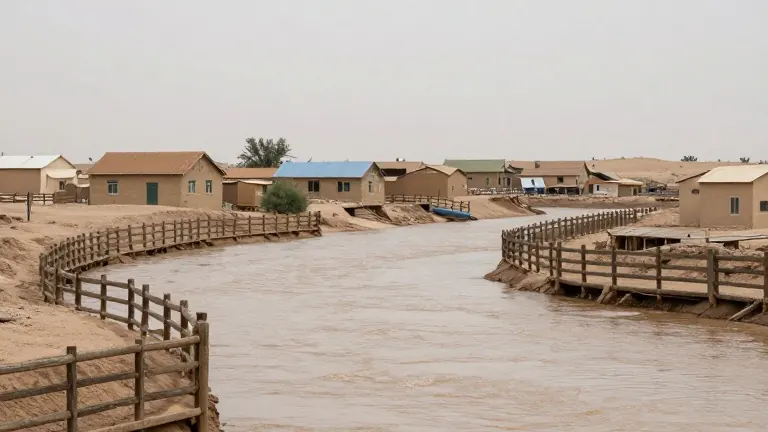
Northern New Mexico and central Arizona ordered evacuations Sunday after flash floods surged through communities. In Colorado, a ski resort prepared for its main river to reach dangerous levels. These events follow a week of heavy storms that left parts of the Southwest under water for several days.
Scientists say the current El Nino event is the primary driver of the extreme rainfall. This natural cycle warms Pacific waters and releases moisture into the atmosphere. While El Nino appears every few years, the current iteration is exceptionally intense.
Meteorologist Jeff Masters of Yale Climate Connections called the current event a super duper El Niño. He noted that while past super El Niños have occurred, this one is distinct in its severity. The warming is not happening in a vacuum. Human-caused climate change has already raised baseline ocean temperatures. Randy Cerveny of Arizona State University explained that these higher starting temperatures make the El Nino heating process more intense.
The atmospheric shift is moving moisture and winds directly toward the Southwest. Daniel Swain of the University of California Agriculture and Natural Resources said this creates ideal conditions for storms. He added that while precipitation in the Southwest interior is normal for the time of year, the current volume is unprecedented.
Former NOAA chief scientist Ryan Maue calculated that more than 20 trillion gallons of water have fallen on the Four Corners states and Nevada over the past two weeks. The impact extends beyond the United States. Swain reported that Peru and Ecuador are also experiencing record-breaking flooding due to the same atmospheric patterns.
Experts predict the El Nino will peak in December. Cerveny stated that the Pacific Ocean is not yet at its maximum heating phase. He expects more events like the current storms to occur as the cycle continues. The onset of the weather pattern could last for months after the peak.
Local authorities are advising residents to monitor forecasts and follow evacuation warnings. The financial and logistical costs of these recurring flood events are rising as the climate phenomenon intensifies.
Source: The Macomb Daily
More Business · Consumer Alerts · Report a business · Got a Story?