Netanyahu Bloc Falls Four Seats Short in Israel's Fragmented Election
Early counts show 54 seats for the prime minister's alliance against 50 for Gadi Eisenkot, leaving Arab parties as the potential balance of power.
By Kenji Garnier ·
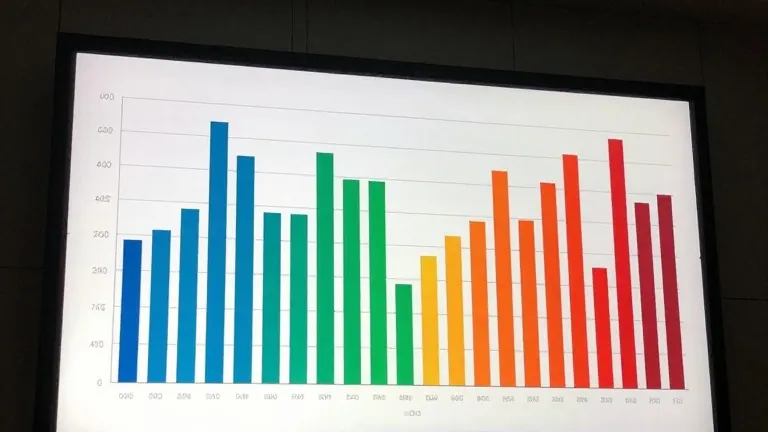
Israelis voted on October 27, and the early counts reveal a hung parliament with no clear path to power. The Central Elections Committee placed Likud first with 27 seats. Prime Minister Benjamin Netanyahu’s bloc is projected to hold 54 seats. Gadi Eisenkot’s opposition bloc trails with 50 seats. Neither side has reached the 61 seats required to form a government.
The race is extremely tight. Four exit polls published on election night show the blocs within striking distance. Kan 11 and Channel 13 projected a 51-51 tie. Channel 12 gave Netanyahu a small lead with 52 seats against 49 for Eisenkot. Channel 15 offered the most favorable projection for the incumbent, showing 55 seats for his bloc and 49 for the opposition. All projections fall short of the majority threshold.
The math now depends on smaller parties. Seats are allocated based on national vote share, provided parties clear the 3.25 percent threshold. The Arab-led Ra’am party and the Joint List are projected to win between 16 and 19 combined seats. They could hold the balance of power, but political barriers remain high. Netanyahu has called governing with Arab parties shameful. Leaders in the Jewish-led opposition have also ruled out such a partnership.
Netanyahu’s coalition includes Likud, Shas, United Torah Judaism, Religious Zionism, and Otzma Yehudit. Religious Zionism is led by Bezalel Smotrich. Otzma Yehudit is led by Itamar Ben-Gvir. Eisenkot’s bloc consists of his Yashar party, the Together list, Yisrael Beytenu, and the Democrats. The Together list is associated with former prime ministers Naftali Bennett and Yair Lapid. Yisrael Beytenu is led by Avigdor Liberman. The Democrats are led by Yair Golan.
Once results are certified, the president will assign the mandate to the lawmaker most likely to build a majority. That leader has 28 days to form a government. This period can be extended by up to 14 days. If no coalition is formed, another lawmaker may be given a chance. If that fails, Israel faces another election. A similar cycle of failed governments occurred between 2019 and 2022.
Netanyahu remains the caretaker prime minister while negotiations take place. He has served as prime minister for 19 years across three stints. He is currently standing trial on corruption charges, which he denies. Official results are due on November 4. Coalition talks may take considerably longer to resolve.
Source: Al Jazeera
More Politics · World news · Report a business · Got a Story?