Indian cartoonist faces second Instagram block in three weeks
Legal orders under India's IT Rules are increasingly used to restrict political satire, raising questions about platform compliance and free speech.
By Elena Svoboda ·
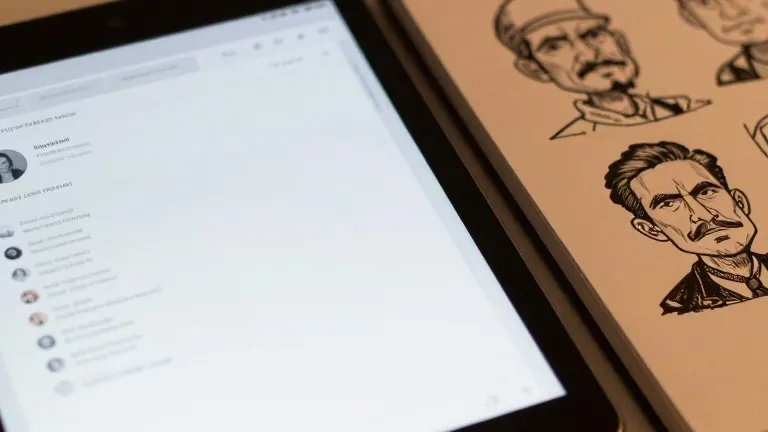
Satish Acharya, a 55-year-old Indian cartoonist, had his Instagram profile blocked in India for the second time in three weeks. The second restriction began on Tuesday and lasted three days. During this period, users in the country could not find his profile through search or access it via web links. Instead, they saw a notice stating the account was unavailable under the nation's Information Technology Rules.
Acharya's first block occurred between September 28 and October 6. He described the recent outage as leaving him "a little sad." He wrote to Meta, the parent company of Instagram, seeking an explanation but received no reply. He was preparing to file a lawsuit when the account was restored in early October, only to face the new block this week.
The Information Technology Rules allow government authorities and courts to order social media platforms to remove or restrict content. The Indian government states these measures help manage unlawful material. Conversely, artists and free-speech advocates argue the rules can suppress India's long tradition of political satire. Meta told the BBC it may temporarily restrict accounts to comply with these rules but did not specify why Acharya's account or another cartoonist's post was affected.
Another cartoonist, Manjul, reported that Instagram restricted a post criticizing India's election commission. The criticism focused on the commission's revision of voter rolls, which removed 130 million names. Unlike Acharya, Manjul's profile remained accessible to users.
Data from the Indian Express indicates that government agencies sent nearly 195,000 blocking and content-restriction orders to platforms including Instagram, Facebook, and YouTube between March and July. These orders were processed through the Sahyog portal. The figures were obtained via a right-to-information request and do not clarify how many posts were finally restricted or removed. The BBC has not reviewed the original response document.
Prateek Waghre, a technology policy expert, noted that some platforms appear more willing to comply with orders than others. He observed that Meta seems more compliant, while X appears more willing to push back. However, limited public data makes direct comparison difficult. This week, media reports indicated that authorities asked Meta to ensure its systems did not steer users toward a single or limited set of narratives. The BBC requested comment from India's IT ministry but has not received a response.
India has a history of regulating political satire. RK Laxman's character Common Man became a well-known figure in Indian journalism. During the Emergency in the 1970s, Abu Abraham continued drawing even as dozens of his cartoons were stamped "not passed by censors." In 2012, Aseem Trivedi was arrested on sedition charges for cartoons allegedly mocking the constitution, though the charges were later dropped. India currently ranks 157th on the Reporters Without Borders World Press Freedom Index.
The government rejects criticism that it pressures independent media. Cartoonists argue that challenging power is central to their work. Sandeep Adhwaryu, a cartoonist for a leading Indian newspaper, stated, "We are among the default opposition." Acharya noted that before 2014, many of his cartoons targeted the Congress-led government and were shared by BJP leaders without official restrictions. He faced only occasional trolling at that time.
Manjul said social media allowed independent artists to reach audiences without relying on newspapers, but it also made them dependent on platforms. Rachita Taneja, creator of the Instagram comic Sanitary Panels, called social media a double-edged sword. She said Meta's compliance reflects commercial priorities. Meta declined to comment on the situation.
Adhwaryu warned that self-censorship can become normalized even without explicit instructions. He expects satire to adapt, comparing it to a "shape-shifting virus" that "keeps mutating in response to its environment." When Acharya's account was first restricted, Taneja drew a stick-figure cartoon in solidarity.
Source: BBC News
More Business · World news · Consumer Alerts · Report a business · Got a Story?