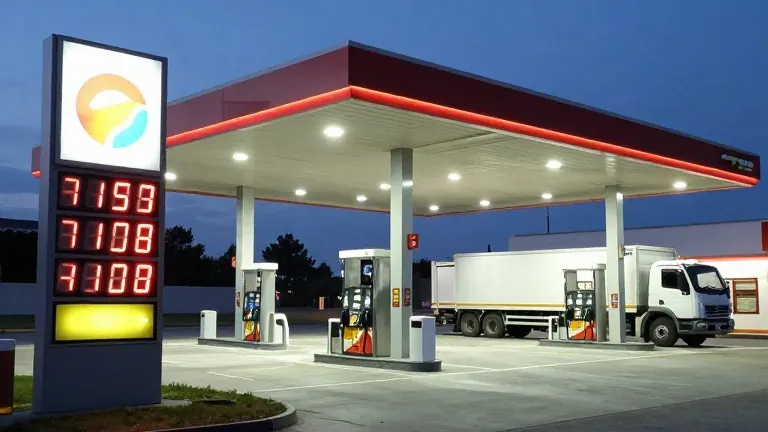
Gasoline in Israel Could Cross Nine Shekels Next Week
A temporary tax cut by Finance Minister Bezalel Smotrich expires November 3, coinciding with a 10% spike in global oil costs.
By Elena Svoboda ·
The cost of 95-octane gasoline in Israel is currently NIS 7.77 per liter, but that figure could rise to NIS 9 or higher by next weekend.
The primary driver for this potential jump is the expiration of a temporary fuel tax reduction. Finance Minister Bezalel Smotrich implemented the cut last month to stabilize prices before the upcoming elections. An initial order signed a month prior lowered the excise tax by half a shekel per liter. As global oil prices began to climb, Smotrich doubled that reduction to NIS 1 per liter. This relief measure is scheduled to end on November 3.
Global market conditions are compounding the domestic tax changes. Anticipation of a third round of conflict involving Israel, Iran, and the United States has pushed oil prices up by approximately 10% compared to late September. The Energy Ministry's Fuel Administration set the current October price during a period of lower oil costs. Consequently, even if the tax cut remains active, analysts expect the price to increase by around 30 agorot per liter, moving the total past NIS 8. If the reduction lapses as planned, the price is projected to breach NIS 9.
The financial impact of the tax break has been substantial for the state. Taxes typically account for more than 60% of the gasoline price in Israel, generating roughly NIS 20 billion in annual revenue. The Finance Ministry's Budget Department estimates that the reductions over the past two months have cost the state approximately NIS 467 million. This expenditure occurs while the ongoing war has driven defense spending to record highs.
Smotrich faces a strategic decision after the elections conclude. If it becomes clear that the current government will not remain in office, the minister could allow prices to surge, transferring the economic burden to the incoming administration. The timing of this decision adds uncertainty to the market.
The next price adjustment is expected to take effect as early as Saturday night. The final figure will be determined by oil prices in the Mediterranean basin toward the end of this week. Because the calculation depends on volatile market rates at that specific time, the new price may be in effect for only a few days before another review.
Source: The Jerusalem Post
More Business · World news · Consumer Alerts · Report a business · Got a Story?