UN Vote Set as U.S. and Cuba Clash Over Embargo
A shouting match between ambassadors preceded the annual resolution, which is expected to pass despite a new U.S. push for stricter enforcement.
By Omar Bennett ·
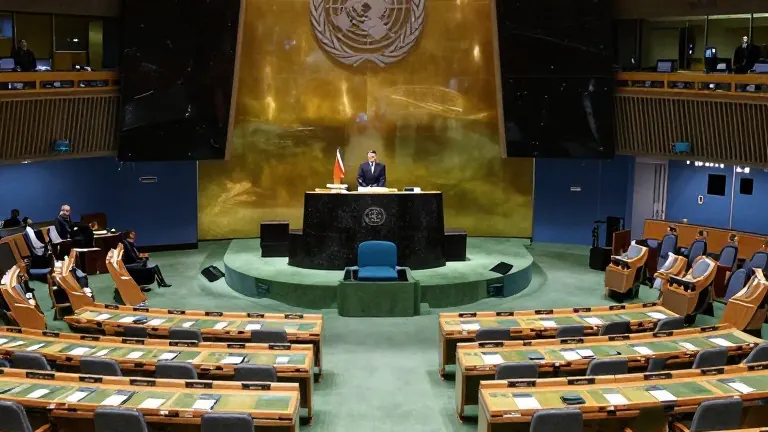
The United Nations will vote on Wednesday to condemn the United States economic embargo on Cuba. The annual resolution has passed by large margins for 34 consecutive years, but the current atmosphere in the General Assembly has grown unusually tense.
The vote serves as a non-binding measure of global opinion regarding Washington's trade barriers. Last year, 165 of the 193 member states voted to condemn the embargo, with seven opposed and 12 abstaining. Officials expect a similar outcome this year, though the Trump administration is actively campaigning to increase opposition or abstentions from Western allies.
Tensions escalated publicly on Tuesday when U.S. Ambassador Mike Waltz and Cuban Foreign Minister Bruno Rodríguez engaged in a heated exchange on the floor of the assembly. Rodríguez approached the podium during Waltz's speech and called the American envoy a liar while seeking a point of order.
"This individual needs to back away from this podium. He’s not going to intimidate me in the United States of America," Waltz said as security personnel moved to separate the two men. "You understand who you’re dealing with? This is America. Back up."
Rodríguez later posted on social media that the U.S. government was attempting to justify its economic aggression and energy blockade. He noted that Waltz was speaking at the United Nations, not a White House security meeting. A similar confrontation occurred the previous week outside a U.S. hosted panel featuring Cuban dissidents.
The diplomatic friction mirrors a deepening crisis in Cuba. The island is facing widespread power outages and shortages in water and internet services. These problems followed a January announcement by President Trump that he would impose tariffs on nations selling oil to Cuba. This move has effectively cut off fuel supplies to the Caribbean country.
The U.S. embargo dates back to 1960, following a revolution that removed Fulgencio Batista from power and nationalized properties owned by American citizens. The administration's current strategy includes threats of military intervention. Trump recently stated that U.S. warships could stop in Cuba on their return from the Iran war.
Source: KSAT-TV