U.N. vote: Cuba embargo resolution passes with fewer supporters
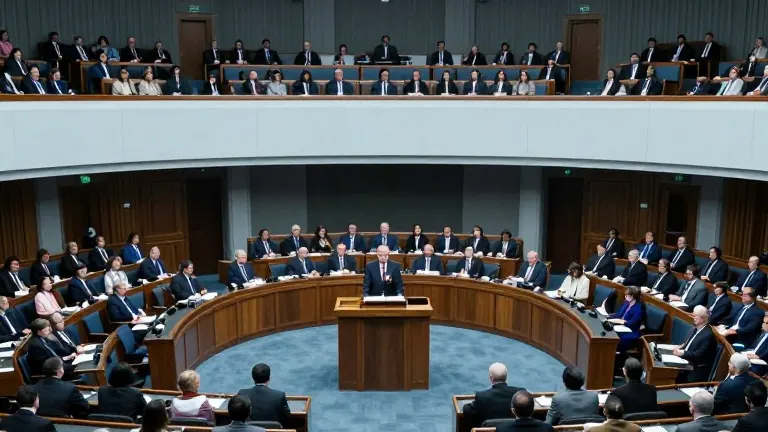
The General Assembly voted 130 to 17 to condemn the U.S. trade ban, a drop from last year that follows heated exchanges between ambassadors.
By Kenji Garnier ·
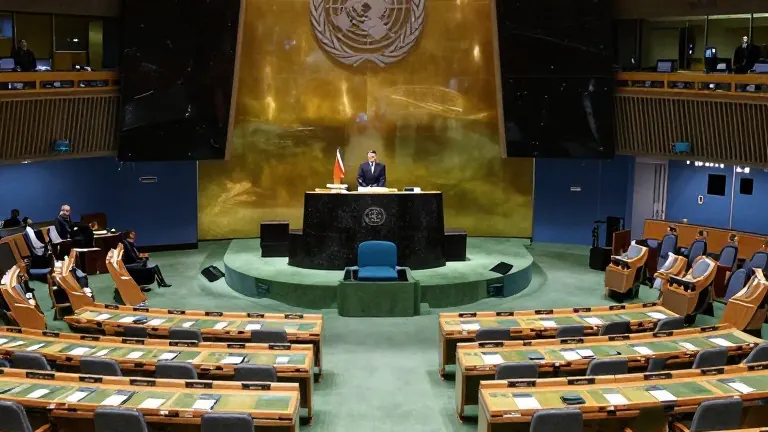
United Nations member states voted 130 to 17 on Wednesday to condemn the United States economic embargo of Cuba.
The resolution passed for the 34th time, but the margin of support shrank compared to the previous year.
In the prior vote, more than 160 nations supported the measure, with only 12 abstaining.
This year, 25 countries abstained, a notable increase from the 12 recorded last year.
Western nations including Germany, Italy, and Latvia refrained from voting for the first time in the 34-year history of the resolution.
Other member states such as Bosnia, Colombia, Costa Rica, Ecuador, Lithuania, Morocco, North Macedonia, Paraguay, and Slovenia voted against the resolution, a move most took for the first time.
Although General Assembly resolutions are not legally binding, the vote reflects the current stance of the international community.
Cuban Foreign Minister Bruno Rodríguez spoke ahead of the vote, stating that a great power is attacking a member state through economic war.
He argued that Cuba is not a threat, but the blockade is.
U.S. Ambassador to the United Nations Mike Waltz addressed the assembly, telling members that their vote was the only barrier preventing the Cuban government from claiming another propaganda victory.
Tensions on the floor escalated on Tuesday when Waltz and Rodríguez engaged in a shouting match during a debate on the embargo.
Rodríguez walked to the podium while Waltz was speaking and called him a liar while seeking a point of order from the presiding officer of the session. Waltz told Rodríguez that he would not be intimidated in the United States of America and urged him to back up. Rodríguez later posted on X that the U.S. government was using crude lies to justify its economic aggression against Cuba. He noted that the exchange was happening at the United Nations, not at a White House meeting. On the sidelines of the hall, Waltz accused a member of the Cuban delegation of attacking an American diplomat who was filming him. He said Secretary of State Marco Rubio ordered the official sent home. The State Department confirmed to the Associated Press on Wednesday that the accused individual has left the U.S. A similar interaction occurred a week earlier between Waltz and his Cuban counterpart, Ernesto Soberón Guzmán, outside a U.S.-hosted panel featuring Cuban dissidents and former prisoners. The panel sought to highlight allegations of oppressive behavior by the island's government. The U.S. embargo was first imposed in 1960 after Fidel Castro led a revolution that toppled dictator Fulgencio Batista and nationalized properties belonging to U.S. citizens and corporations. In late January, President Trump announced tariffs on any country that sells or provides oil to Cuba. The warning has effectively cut off fuel to the island, leading to widespread power outages that impact water supply and internet services.
Source: WLRN