How the Iran conflict is shaping the 2026 midterm vote
Voters are weighing the cost of the war against economic concerns as they decide control of Congress.
By Elena Svoboda ·
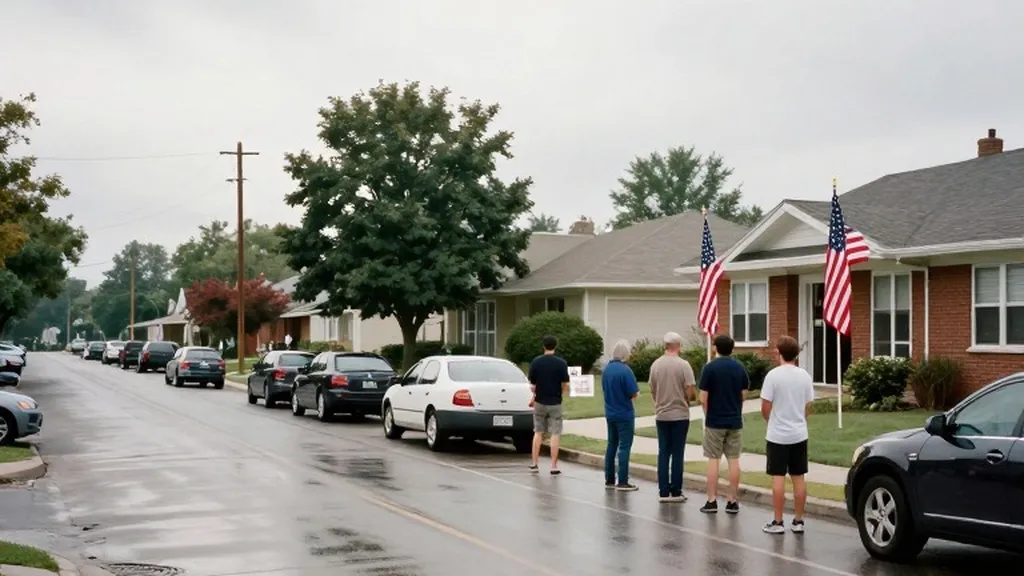
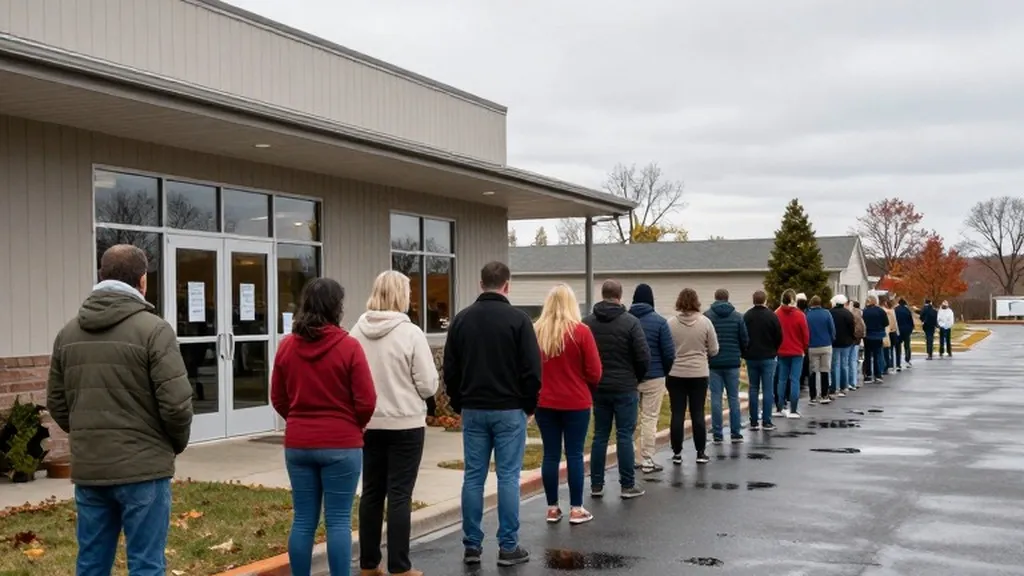
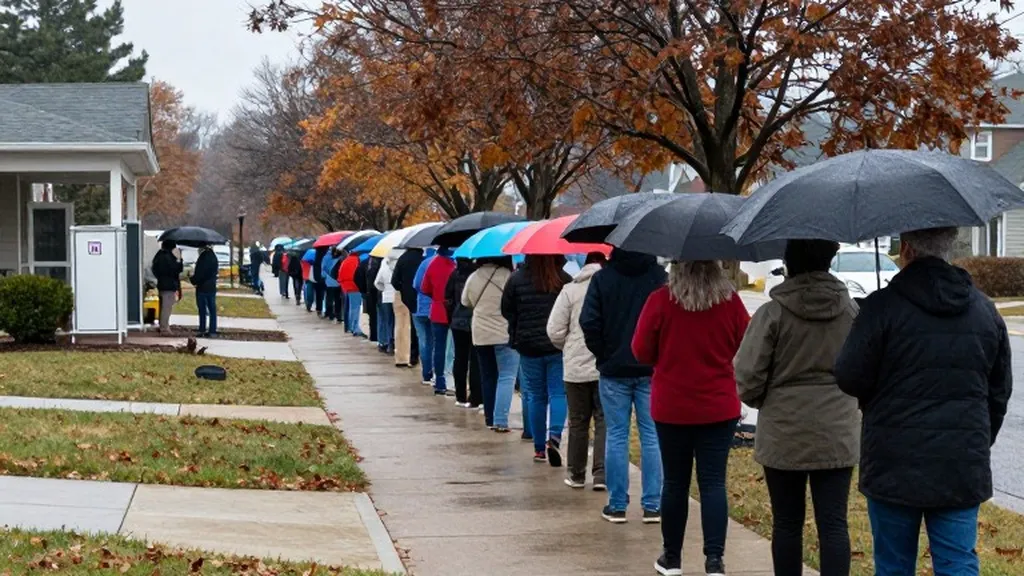
The war with Iran has emerged as a central issue in the 2026 midterm election, influencing how voters assess President Donald Trump's second term. The Associated Press describes the current climate as a referendum on the administration's performance, noting that many Americans are angry over the unpopular conflict. This sentiment is driving turnout decisions across the country on this Tuesday, November 3.
Public opinion reflects this tension. According to AP-NORC polling, only 35 percent of U.S. adults approve of Trump's job performance, while 25 percent approve of his handling of the economy. About seven in ten respondents say the country is heading in the wrong direction, with most blaming the president for high prices. The war adds a layer of complexity to these economic frustrations.
Democrats are leveraging this discontent to frame the election as a choice for change. Rep. Suzan DelBene, chair of the Democratic Congressional Campaign Committee, stated that the American people are angry and want change. Her party is cautiously optimistic about holding the Senate and winning the House, aiming to use a potential victory to launch investigations and oversight efforts.
Republicans, conversely, are bracing for a potential loss in the House while fighting to keep their Senate majority. RNC Chairman Joe Gruters emphasized that everything depends on turnout, asserting that if the party can mobilize its voters, they will win. Many Republican candidates have kept a degree of distance from the president, who has continued to make claims about voting fraud and hold rallies across the country.
The war's impact is visible in specific battleground races. In Maine, the AP notes that economic strain and tariffs have made the state competitive, with the conflict likely contributing to the broader dissatisfaction. In Alaska, the Trump administration filed a lawsuit related to the certification of the Senate result, adding legal tension to the political battle in a state where the race is rated as a toss-up or leaning Democratic.
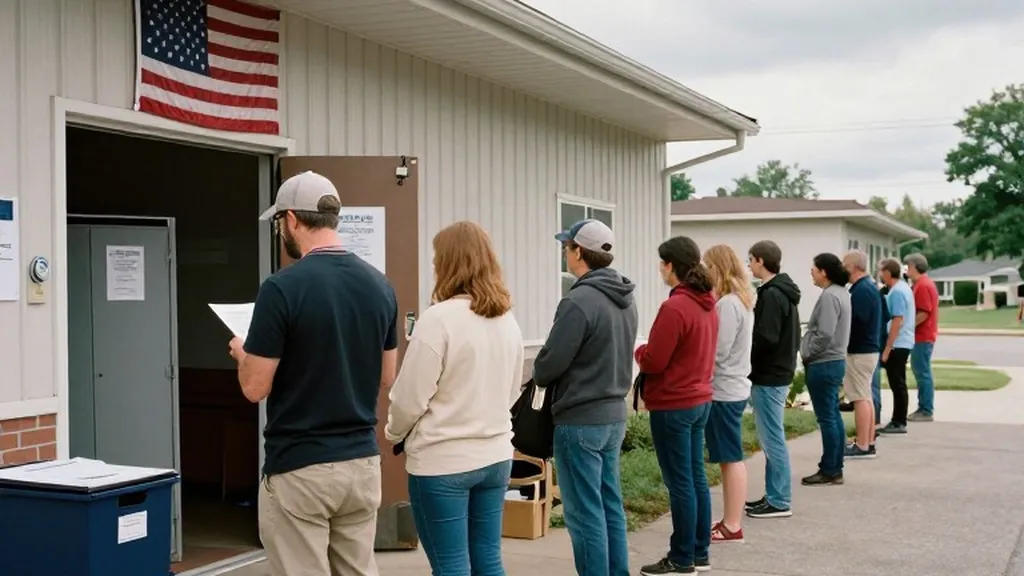
Voters on the ground reflect this mix of economic and foreign policy concerns. James Moore, 57, a librarian in Raleigh, North Carolina, cited rising costs in taxes, healthcare, and general goods as his primary motivation. Mark Barker of Palm Beach Gardens, Florida, expressed support for Trump, saying he believes the president is doing an awesome job. These individual perspectives highlight the divided nature of the electorate.
The stakes for the Senate are high, with 35 seats up for grabs. Democrats need a net gain of four seats to secure a majority, while Republicans can afford to lose only two. Key races include Ohio, where former Sen. Sherrod Brown faces Sen. Jon Husted, and Georgia, where Sen. Jon Ossoff is challenging Rep. Mike Collins. The outcome in these states will determine if the administration faces legislative opposition in its final two years.
In the House, all 435 seats are contested. Democrats need a net gain of three districts to take control, while Republicans can lose no more than two. The AP reports that one or two seats could tip either chamber, making the margin of victory crucial. If Democrats win even one chamber, they are likely to initiate investigations and possible impeachment proceedings, with House Democratic Leader Hakeem Jeffries outlining a 100-day agenda focused on the cost of living.
Election administration has also been a point of contention. A federal judge temporarily barred the Trump administration from implementing a plan to prevent noncitizen voting, citing concerns about disenfranchising eligible voters. The administration is also suing in Alaska and California, with Democrats fearing interference as the Justice Department threatens to prosecute local election officials. These legal battles add another layer of uncertainty to the day's proceedings.
Financial resources are being deployed heavily in this election, which is likely to be the most expensive in history. Republican committees have outraised and outspent their Democratic counterparts, aided by Trump-affiliated groups and Elon Musk. However, at the candidate level, Democrats have outraised their opponents. This spending disparity reflects the intensity of the campaign and the high stakes involved in deciding the balance of power in Congress.